Ingredients, reviews, and professional insight for NZ beauty
Yon-Ka Paris has been formulating with essential oils since 1954 — decades before aromatherapy became a retail trend and long before every second skincare brand started putting lavender on its packaging. The French phyto-aromatic house built an entire professional skincare range around five essential oils and then quietly layered modern cosmetic actives underneath. Having distributed the brand across New Zealand for years, what stands out is not the marketing story but the formulation rigour behind it — and the loyalty it generates among therapists who have tried everything else on the market.
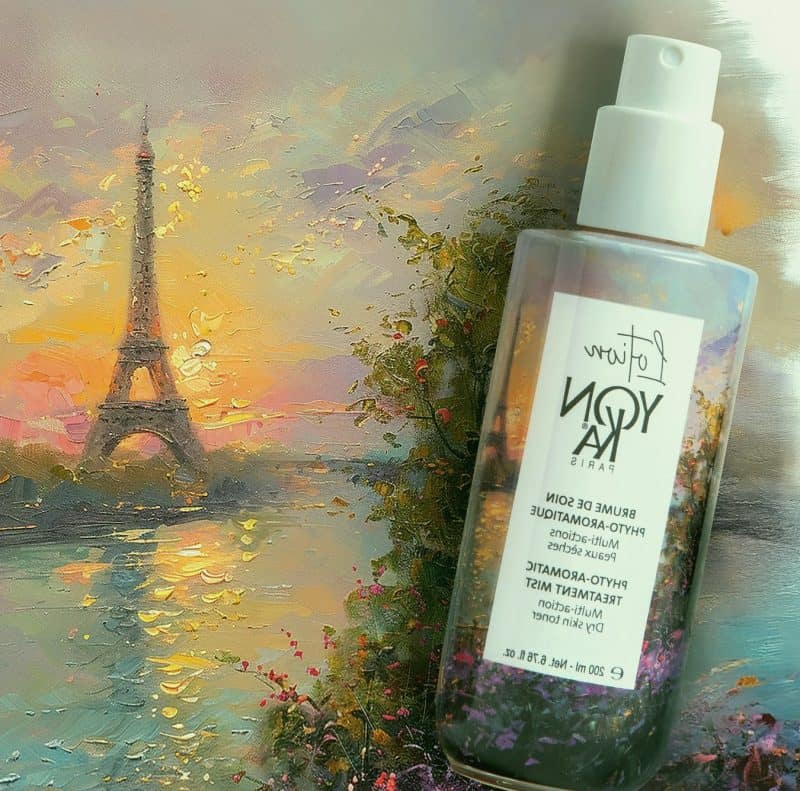
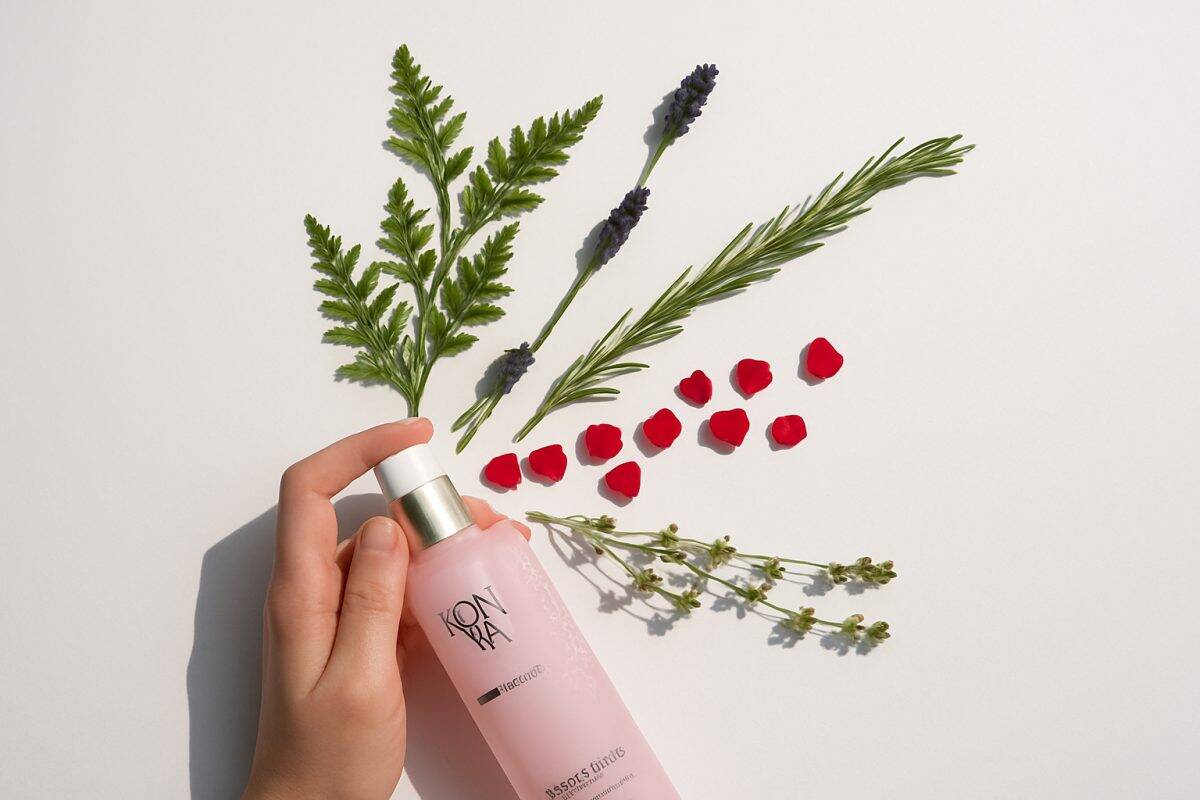
Yon-Ka was built on five essential oils before essential oils became a wellness cliche. Lavender, geranium, rosemary, cypress, and thyme — blended into what the brand calls its quintessence — form the aromatic foundation of virtually every product in the range. This is not a marketing conceit bolted on after the fact. The Muhlethaler family developed the original quintessence blend in 1954, drawing on phytotherapy research that was serious science in post-war France, even if it sounds like something you would find in a Byron Bay gift shop today.
What makes the quintessence more than a signature scent is the therapeutic rationale behind each oil. Lavender for its calming and anti-inflammatory properties. Rosemary as a circulatory stimulant. Thyme for its antimicrobial action. Cypress for its astringent qualities. Geranium as a balancing agent. Individually, these are well-documented botanical actives with genuine peer-reviewed evidence behind them. Combined in the right proportions, they create a synergistic base that the brand has refined over seven decades.
The timing matters. Yon-Ka was formulating with essential oils forty years before the aromatherapy boom hit mainstream beauty. They were not chasing a trend — they built the house before the neighbourhood arrived.
Here is where Yon-Ka gets interesting for anyone who reads ingredient lists. The brand positions itself as phyto-aromatic, which sounds like it belongs in the botanical-only camp. But crack open the INCI lists and you will find hyaluronic acid, glycolic acid, marine collagen, and stabilised vitamin C derivatives sitting alongside the plant extracts. This is not a contradiction — it is pragmatism.
The Laboratoires Multaler, where Yon-Ka formulations are developed, employs cosmetic chemists who are clearly paying attention to modern dermatological research. They have incorporated proven actives into their formulations without abandoning the botanical backbone. The result is products that smell like a French herb garden but perform like contemporary cosmeceuticals.
This hybrid approach is arguably more honest than brands that commit entirely to one camp. Pure botanical brands often struggle to deliver on anti-ageing claims because plant extracts alone have limitations. Purely clinical brands can feel medicinal and joyless. Yon-Ka sits in between — you get the niacinamide and the peptides, but you also get an application experience that feels like something more than a clinical obligation. The formulation philosophy is essentially: use what works, regardless of whether it grows in soil or comes from a lab.
Open a jar of Yon-Ka Creme 28 and the first thing that hits you is the scent. Not a synthetic fragrance overlay — the actual essential oils in the formulation, assertive and green and unmistakably botanical. It is a polarising experience. People who love it become devoted. People who find it too strong will not be convinced otherwise.
The brand leans into this deliberately. Their position is that the sensory experience of skincare — the scent, the texture, the ritual of application — is not superficial. They argue, with some scientific backing, that aromatic compounds stimulate the limbic system, reducing cortisol levels and contributing to skin health through stress reduction. It is a genuine pharmacological pathway, not just handwaving. Chronic stress measurably accelerates skin ageing through inflammation and impaired barrier function. If a product genuinely reduces stress during application, that is a functional benefit.
Whether Yon-Ka products deliver enough aromatic exposure during a sixty-second application to meaningfully affect cortisol is debatable. But the subjective experience is undeniable. Using the products feels different from applying a pharmacy moisturiser. It feels like a treatment. For many users, that psychological shift — from chore to ritual — changes how consistently they use their skincare, and consistency is what actually delivers results.

The Alpha-Fluid is probably the product that best represents what Yon-Ka does well. A lightweight gel combining fruit acids with botanical extracts, it resurfaces and refines without the harshness that straight glycolic acid products can deliver. Therapists reach for it constantly because it works across most skin types and produces visible results quickly without leaving clients red and irritated.
Fruitelia is the richer cousin — a night treatment that uses the same fruit acid approach but with a more nourishing delivery. Elastine targets firmness with marine collagen and a botanical complex that has been in the range for decades with minimal reformulation, which either means they got it right the first time or they are resistant to change. In practice, it is effective enough that salons keep reordering it.
The Creme 28 and Creme 15 are the salon workhorses. Creme 28 is the richer formulation for drier or more mature skins, packed with the quintessence oils and shea butter. Creme 15 is the lighter version — still botanically rich but with a texture that sits better under makeup. Both have been in the range essentially unchanged since the brand launched, and both still sell consistently. In professional skincare, longevity usually means a product works. Nobody reorders something that sits on the shelf.
Every November, the Yon-Ka Christmas coffrets arrive and the distribution team braces for the pre-order rush. These boxed gift sets — usually three or four products in a branded presentation case — are one of the more reliable revenue events in the professional beauty calendar. Salons order them months in advance, and the popular configurations sell out before December.
The coffrets work because the economics are sound. A customer buying the same products individually would spend twenty to thirty percent more. The packaging is genuinely attractive — heavy cardboard boxes with clean French design that look expensive without trying too hard. For a brand that is not widely recognised outside salon circles, the coffrets are often the entry point. A woman receives one as a gift, uses the products for two weeks, notices her skin improving, and becomes a repeat buyer. The distributor knows this. The coffrets are not a clearance exercise — they are customer acquisition tools wrapped in Christmas paper.
The specific configurations change yearly, but the pattern is consistent: a cleanser, a treatment product, and a moisturiser, chosen to work as a simple routine. It is smart product curation that doubles as an introduction to the range.
No brand does everything well, and Yon-Ka has gaps worth noting. Sun protection is the most obvious one. The range includes a couple of SPF products, but they are not the brand strength and they face stiff competition from dedicated sun care brands and from mineral sunscreen specialists who have the formulation edge. In New Zealand, where UV exposure is a genuine skin health concern rather than a cosmetic preference, a strong SPF offering matters. Yon-Ka clients still need to shop elsewhere for daily sun protection.
The body care range exists — Lait Hydratant, Gommage body scrub — and it is perfectly pleasant, but it does not represent the brand at its best. The formulation sophistication that makes the facial skincare compelling is diluted when spread across larger-format body products. You are paying a premium for body cream that, while nice, is not dramatically different from good pharmacy alternatives.
Makeup is entirely absent. The brand does not cross into colour cosmetics at all. Given that many professional skincare brands — Dermalogica, Jane Iredale, even Environ with their tinted products — have found natural extensions into mineral makeup or tinted moisturisers, the gap is noticeable. Whether this matters depends on your perspective. There is an argument that staying focused on skincare is exactly why Yon-Ka does skincare well.
Yon-Ka has always been a professional-channel brand, and in New Zealand that means salon distribution. You will not find it at Farmers, Smith & Caughey, or any pharmacy chain. The products are sold exclusively through authorised salons and skin clinics whose therapists have completed Yon-Ka training. This is not a supply limitation — it is deliberate strategy. The brand believes its products perform best when recommended by a trained skin therapist who can assess your skin, build an appropriate routine, and adjust it over time.
The model has come under pressure as online retail has reshaped how people buy skincare. When you can order Medik8 or The Ordinary from your couch at midnight, driving to a salon during business hours feels like friction. The NZ distributor has navigated this by supporting some stockists with online stores while maintaining authorised-seller requirements. It is a delicate balance — too much online availability undermines the salon relationship that is the brand core, but too little makes the brand invisible to a generation that discovers products digitally.
What the salon model does well is customer retention. A woman who buys Yon-Ka from her therapist typically stays with the brand longer than someone who picks up a serum at a department store counter. The relationship with the therapist creates a form of loyalty that product quality alone does not always achieve.
Yon-Ka sits in the mid-premium bracket in New Zealand. A cleanser will run you between fifty and seventy dollars. Serums and treatment products land in the eighty to one-hundred-and-forty-dollar range. Moisturisers sit around sixty to ninety dollars depending on the formulation. This positions the brand alongside Dermalogica and Environ rather than prestige department store lines like La Mer or Sisley.
Pricing is generally consistent across authorised stockists because the distributor maintains recommended retail pricing. You will not find significant discounts at one salon versus another, which is either reassuring or frustrating depending on your disposition. The consistency does mean you can choose your stockist based on the therapist and service rather than hunting for the cheapest price.
A word on unauthorised sellers. Yon-Ka products occasionally surface on marketplace websites and through grey-market online retailers at discounted prices. The risks are real. Product authenticity is one concern, but the bigger issue is shelf life. Essential oil-based formulations degrade faster than synthetic ones, and products that have sat in a non-temperature-controlled warehouse lose efficacy before the expiry date suggests they should. If you are paying for botanical actives, you want them to still be active when you open the jar. Buying from an authorised stockist is not brand snobbery — it is practical chemistry.
A Yon-Ka facial has a distinctive opening move that sets it apart from most other professional treatments. Before the therapist touches your skin, you receive an inhalation of the quintessence oils — typically applied to damp gauze held near your face while you breathe deeply for a minute or two. The purpose is both aromatic therapy and practical preparation: the oils are designed to calm the nervous system and begin the treatment experience before any product hits the skin.
From there, the treatment follows a structured protocol — double cleanse, exfoliation, a treatment mask or modelling mask depending on the facial type, targeted serums, and finishing moisturiser. The professional-only products used during treatment are more concentrated than their retail equivalents. The modelling masks in particular are a salon exclusive — powder-and-water formulations that set to a flexible rubber-like consistency, creating an occlusive layer that drives actives deeper into the skin.
Therapists who work with Yon-Ka tend to be loyal to it, and the reason comes up repeatedly in conversation: the products are pleasant to work with. The textures spread well, the scent makes the treatment room smell genuinely good, and clients comment on the experience. In a profession where client retention depends on how a treatment feels as much as what it does, those details matter.
Yon-Ka takes education seriously enough that it functions as a genuine competitive advantage for the brand. Before a salon can stock the range or offer treatments, therapists must complete brand-specific training that goes well beyond the product knowledge pamphlet that some professional brands consider sufficient. The training covers skin physiology, ingredient science, treatment protocols, and retail recommendation skills.
In New Zealand, this training is delivered by the distributor through a combination of in-person workshops and ongoing education sessions. The content is substantive. Therapists learn why specific ingredients are included at specific concentrations, how to adapt treatment protocols for different skin conditions, and how to build progressive treatment plans rather than offering one-off facials. This is the level of education that turns a therapist into a skin specialist rather than someone who applies products in a pleasant order.
For salon owners deciding which brands to stock, the education component is a selling point that does not always get the attention it deserves. A brand that invests in making your team more knowledgeable makes your whole business more credible. Clients notice when their therapist can explain why a product works, not just that it works.
The honest answer is that some Yon-Ka products justify their price point convincingly and others are less compelling. The treatment serums and concentrated actives — Alpha-Fluid, the Age Defense range, Vital Defense — deliver formulations with quality botanical extracts at concentrations that explain the cost. These are products where you can feel the difference between the Yon-Ka version and a cheaper alternative, and where the ingredient lists back up the price tag.
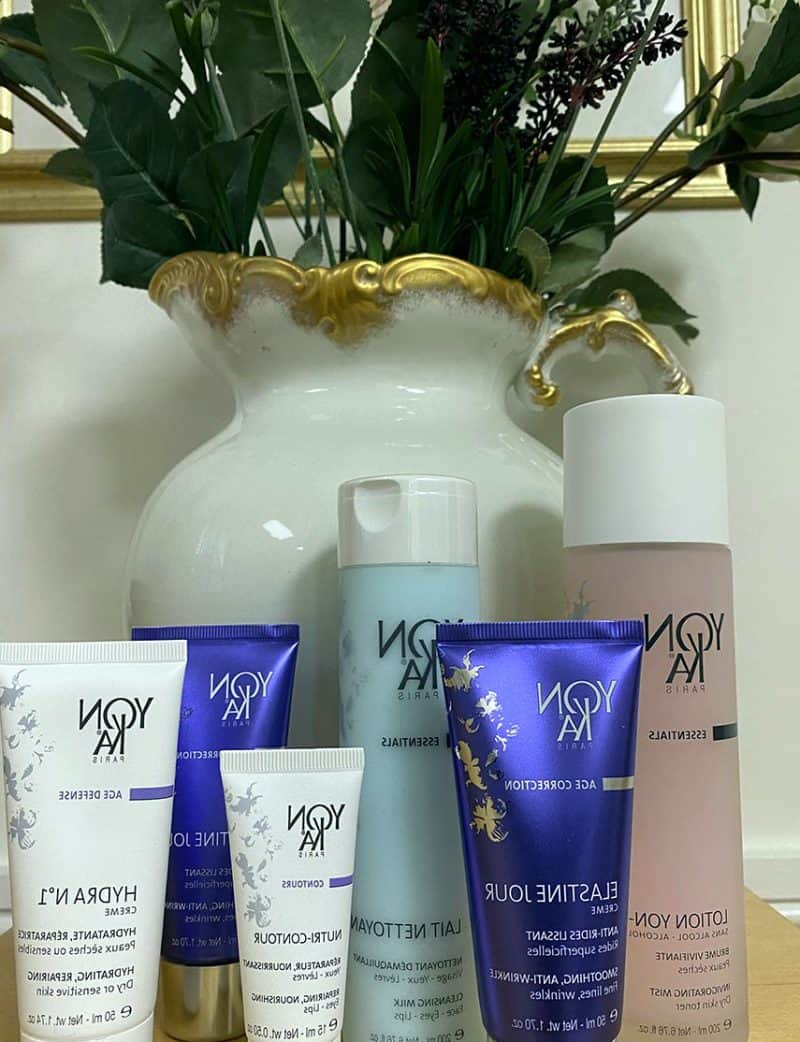
The basic cleansers and everyday moisturisers are harder to justify on formulation alone. Lait Nettoyant is a perfectly good milk cleanser, but the active ingredient profile is not dramatically different from cleansers at half the price. What you are paying for is the sensory experience and the quintessence oils, which is a valid reason for some buyers and insufficient for others.
Compared to direct competitors, Yon-Ka holds up well. Dermalogica charges similar prices with arguably less interesting formulations. Environ delivers strong clinical results but with none of the sensory pleasure. Medik8 offers good value in the active serum category but does not have the professional treatment infrastructure. The comparison that matters depends on what you prioritise: clinical outcomes, sensory experience, professional support, or cost-per-active-ingredient.
Yon-Ka is for the woman who treats skincare as a daily practice she genuinely enjoys rather than an obligation she rushes through. If you find pleasure in textures and scents, if you appreciate that your moisturiser smells of French lavender and Provencal rosemary rather than nothing at all, and if you value buying from someone who understands your skin rather than from a website — this brand is worth exploring.
It is not for the person who wants the cheapest effective retinol or the highest concentration of vitamin C per dollar. It is not for the person who finds essential oil scents overwhelming or who considers fragrance in skincare an unnecessary irritant risk. Those are legitimate positions, and Yon-Ka does not need to convert everyone.
The ideal customer is also someone who values consistency over novelty. Yon-Ka does not launch a new serum every quarter or chase ingredient trends with limited editions. The range evolves slowly, and products that work stay in the lineup for decades. If you like the idea of finding a routine and sticking with it — adjusting seasonally rather than reinventing entirely — the brand rewards that approach. Your therapist learns your skin over time, and the products you rely on will still be there next year.
A brand that has been doing essentially the same thing for seventy years and still commands shelf space in professional salons is doing something right. Yon-Ka will never be the trendiest brand in your bathroom cabinet, and it will never be the cheapest. What it will be is consistent — in formulation quality, in sensory experience, and in the professional support structure that surrounds it. In an industry that reinvents itself every season, there is something quietly compelling about a range that trusts its own foundations.