Ingredients, reviews, and professional insight for NZ beauty
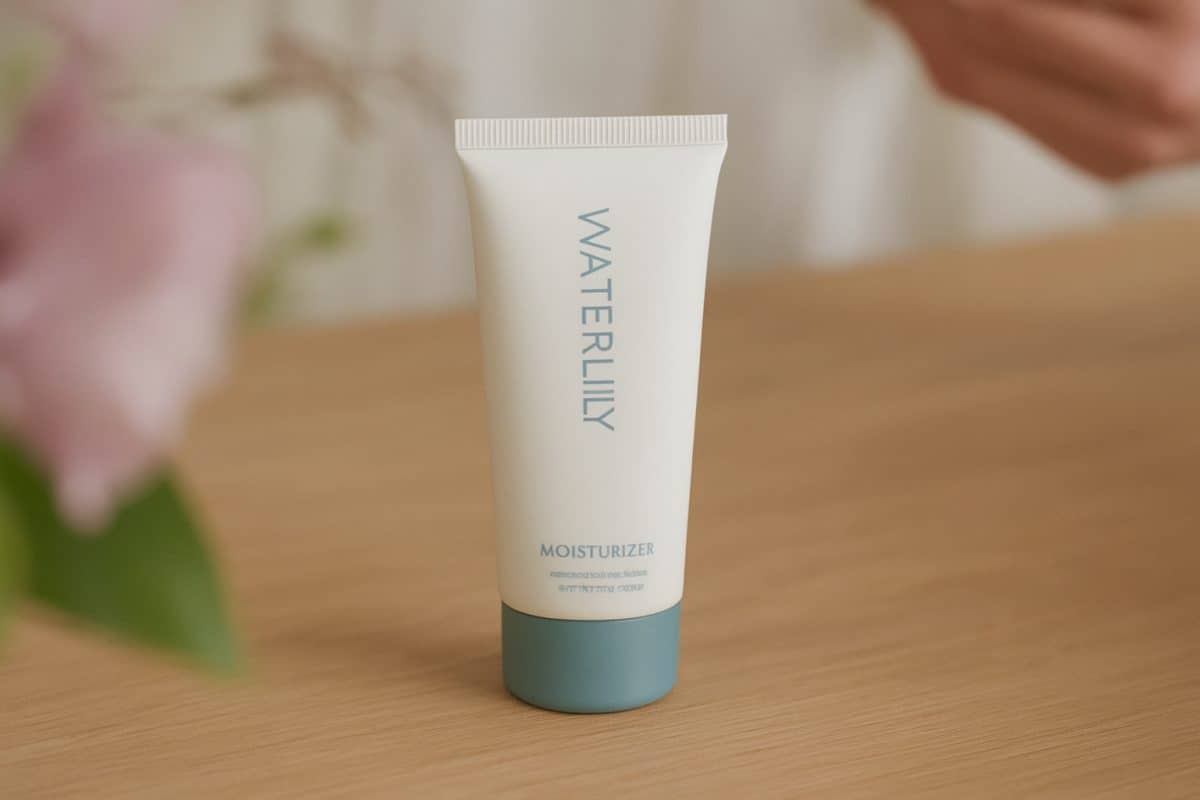
Most body care brands sell you a fragrance wrapped in a moisturiser. Waterlily sells you a treatment wrapped in a body oil. Built by an Australian beauty therapist for use in professional spa settings, this is a body care brand that earned its reputation in treatment rooms before it ever reached a retail shelf — and I know that firsthand, because I spent several years distributing it across New Zealand.
Waterlily was built by Robyn McAlpine, a Gold Coast-based beauty therapist who started formulating products for use in her own treatment rooms. That origin matters more than it sounds. A brand born in a salon has a different DNA to one born in a marketing department. McAlpine was mixing body oils and treatment products because she needed formulations that performed during paid services — clients lying on a table for sixty minutes will tell you exactly what works and what does not.
The company grew from there into a supplier for professional beauty therapists across Australia, building a range of body care and spa treatment products that prioritised therapeutic results over retail shelf appeal. The packaging has always been handsome enough, but it is not what sells Waterlily to the therapists who use it. What sells it is that the products do something measurable to skin during a treatment, and clients notice.
This is a small operation by any global beauty standard. Waterlily is not competing with Clarins or Elemis for department store counter space. It sits in the professional beauty channel, which is a quieter, more demanding market where product quality is the only thing that keeps you on the shelf.
Most body care brands start with fragrance. They build a scent profile, design packaging around it, and formulate a product that delivers that scent to skin. The actives are secondary — a bit of shea butter, some vitamin E, enough to justify the “nourishing” claim on the label. Waterlily works the other way around.
The formulations lean heavily on Australian native botanicals — kakadu plum for its vitamin C concentration, lilly pilly as an astringent, davidsonia plum for antioxidant density, finger lime for natural AHAs. These are not token inclusions. They appear at concentrations that reflect what the ingredient research says is effective, not what the marketing team thinks sounds good.
The essential oil blends are complex and layered, but they serve a therapeutic function alongside the sensory one. A body oil might combine jojoba as a carrier with rosemary and juniper for circulation, or macadamia with neroli and ylang ylang for skin repair. The scent is a consequence of the formulation rather than its purpose. For anyone accustomed to body products that smell extraordinary but leave skin exactly as they found it, this is a genuine difference.
I distributed Waterlily in New Zealand for several years, which means I ran the product training sessions, fielded the technical questions from salon owners, and watched therapists put these products to work on actual clients. That experience shapes everything I think about this brand.
Professional-channel beauty products face a quality threshold that retail products simply do not. A therapist charging ninety dollars for a body treatment cannot afford to use a product that does not perform. If the body scrub does not exfoliate properly, the client feels it. If the massage oil absorbs too quickly or sits on the surface like cooking oil, the treatment suffers. There is no pretty packaging or clever marketing to fall back on when someone is paying for results they can feel in real time.
Waterlily earned its place in NZ treatment rooms because the products performed consistently. The body oils had the right slip for massage work without leaving skin greasy. The scrubs had the right grit — firm enough to exfoliate, fine enough not to scratch. These are details that matter enormously to working therapists and barely register with consumers browsing a shelf.
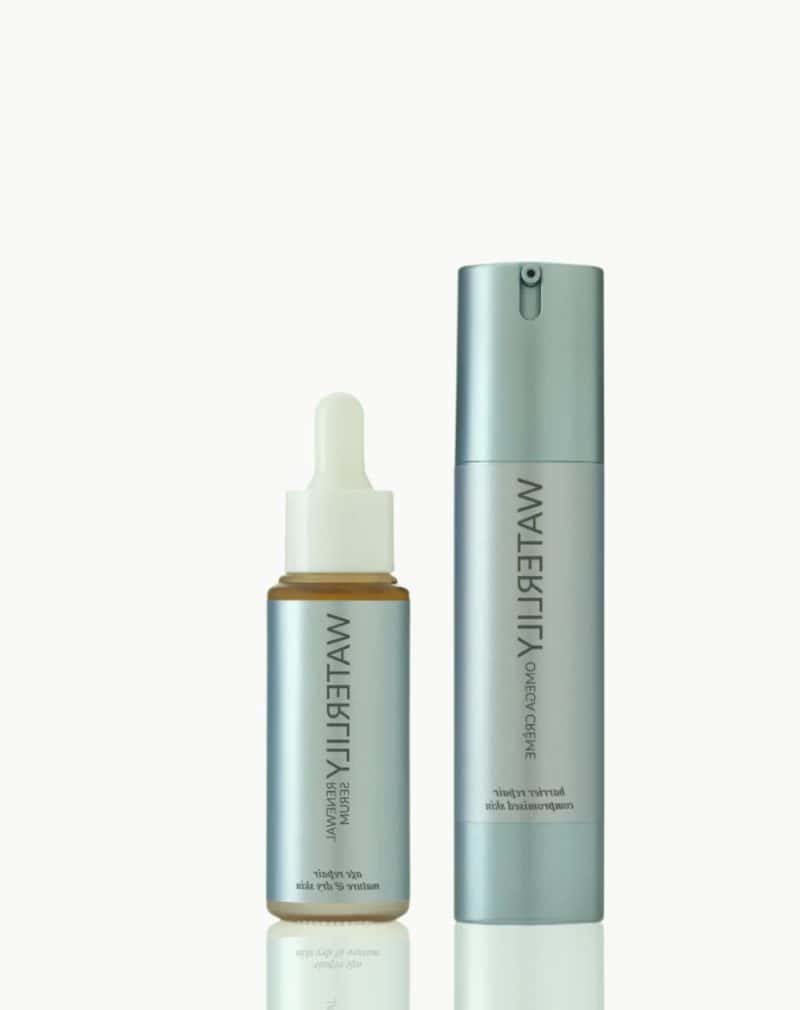
The body oils are where Waterlily genuinely excels, and they are the products that converted the most therapists when I was training salons. A treatment-grade body oil is not the same thing as the bottle of sweet almond oil you pick up at the supermarket. The difference is in the carrier oil blend, the essential oil concentration, and how the product behaves on skin over the course of a sixty-minute treatment.
Waterlily’s body oils use carrier blends built around macadamia, jojoba, and sweet almond — oils chosen for their absorption profiles rather than their price point. Macadamia oil in particular has a fatty acid composition close to human sebum, which means it absorbs at a rate that works for massage without disappearing too fast or pooling on the surface. The essential oil blends sit at therapeutic concentrations — you can feel the rosemary doing its circulation work, not just smell it.
The standouts from the range include the Lime Caviar Body Oil, which uses finger lime extract as a gentle AHA alongside the oil base, and the Kakadu Body Oil, which delivers a serious dose of native vitamin C. These are not gimmick formulations. They are products designed by someone who understands both the botany and the hands-on application.
The exfoliation products are where Waterlily’s spa heritage shows most clearly. The salt scrubs and body muds were designed for treatment menus, not bathroom routines, and the difference is immediately apparent in the texture.
A chemist-bought body scrub typically uses sugar or synthetic beads suspended in a cream base. It is designed to be inoffensive — gentle enough that no customer complains, which means it barely exfoliates at all. Waterlily’s salt scrubs use a coarser grain bound in oil, which means the exfoliation is real and the skin is conditioned simultaneously. The salt dissolves during use, so the scrub starts firm and finishes smooth. It is a better piece of formulation engineering than most people realise exists in the body care category.
The body muds and treatment wraps are harder to use at home — they were designed for a therapist to apply in a treatment room with proper draping and a shower to rinse. But the Body Buff products and lighter treatment masks translate well to home use. They are messier than a pump bottle of body lotion, which limits their appeal, but the results are markedly better than anything you will achieve with a loofah and a drugstore scrub.
Every professional body care brand eventually releases an everyday range — body washes, lotions, hand creams — designed for the consumer who loved the spa treatment and wants something for daily use. Waterlily is no exception, and the results are mixed.
The body lotions are well-formulated and absorb cleanly, with the same botanical-forward ingredient philosophy as the treatment products. The Kakadu body lotion in particular delivers noticeable hydration without the heavy, greasy finish that plagues many “natural” body moisturisers. These are genuinely good products.
The body washes are less distinctive. A body wash has a limited contact time with skin — thirty seconds under a shower — which means the botanical actives that distinguish Waterlily’s treatment products have very little opportunity to do anything. You are essentially paying a premium for a pleasant wash-off product. It smells lovely and it will not strip your skin the way a supermarket body wash will, but the therapeutic difference between a Waterlily body wash and a decent pharmacy alternative is minimal. The brand’s strengths lie in leave-on products — oils, lotions, treatment masks — where the ingredients have time to work.
Getting a small Australian beauty brand into New Zealand is not the glamorous process people imagine. There is no launch party. There is a distributor with a warehouse in East Tamaki, a van full of samples, and a calendar of salon visits.
I distributed Waterlily through professional beauty supply channels — the same networks that supply salons with their wax, their treatment bed rolls, and their professional skincare. The process involved visiting day spas and beauty clinics, running training sessions on the product range, explaining the ingredient philosophy, and demonstrating application techniques. A salon owner does not buy a new body care line because the packaging is attractive. They buy it because the distributor can demonstrate that the product performs better than what they are currently using, and because the margin works.
The NZ professional beauty market is small enough that relationships matter more than marketing spend. A distributor who trains therapists well, answers technical questions promptly, and keeps stock available will hold accounts. A distributor who drops off samples and disappears will not. Waterlily stayed on NZ treatment room shelves because the product backed up the training — therapists used it, liked the results, and reordered.
The honest answer is that Waterlily’s NZ presence has contracted since its peak distribution years. You are unlikely to walk into a day spa and find it on the retail shelf the way you might have a decade ago.
Your best options are ordering directly from the Waterlily website, which ships internationally. Expect to pay Australian retail plus freight to New Zealand, and factor in GST on orders over NZ$1,000. Delivery times from Australia are typically one to two weeks. Some NZ-based online beauty retailers occasionally carry parts of the range, but stock is inconsistent and the selection is usually limited to the bestsellers.
A handful of day spas in Auckland and Christchurch may still use Waterlily for treatments and sell the retail range to clients. If you have had a Waterlily treatment and want to continue using the products at home, asking your therapist to order for you is often the most reliable route. The distribution infrastructure that once made the brand accessible across NZ has thinned, which is a shame but not unusual for a boutique Australian brand in a small market.
Waterlily’s body oils retail for roughly AUD $45-65 depending on the formulation, which puts the landed cost in New Zealand at approximately NZD $60-90 once you add freight and currency conversion. That is not cheap body care by any standard.
The question is what you are comparing it against. Against a $15 body oil from the pharmacy, Waterlily is absurdly expensive. But that is not a fair comparison — the formulation quality, carrier oil selection, and essential oil concentration are from different planets. Against professional-grade body care available in NZ — Pevonia body products, Comfort Zone body range, or the Dermalogica body collection — the pricing is comparable or slightly higher once you factor in import costs.
The value calculation depends on how you use the product. As a daily body moisturiser applied in thirty seconds after a shower, the cost-per-use is hard to justify. As a weekly treatment oil used for a proper self-massage — ten minutes, focused application, the way a therapist would use it — a bottle lasts months and the cost-per-use drops to something reasonable. The products were designed for treatment use, and they deliver their best value when used that way.
If you are a beauty therapist looking for body treatment products with genuine therapeutic quality and a botanical ingredient philosophy that clients respond to, Waterlily is worth investigating. The treatment-room products are the brand’s strength, and they give therapists something distinctive to build a body treatment menu around.
If you are a consumer who has tried the locally available professional body care brands and found them lacking, Waterlily offers something genuinely different in the body oil and exfoliation categories. The botanical formulations are distinctive enough that you will notice the difference, particularly if you use the products as treatments rather than quick daily applications.
If you are happy with your current body lotion and looking for something a bit nicer, importing from Australia is probably not worth the effort. The everyday range is good but not so dramatically superior to what you can buy locally that it justifies the freight cost and wait time. Waterlily’s edge is in its treatment products, and if those do not interest you, there are excellent NZ-available alternatives that will serve you well.
The most direct comparison in the NZ professional market is Pevonia Botanica, which shares Waterlily’s emphasis on botanical ingredients and professional-grade formulation. Pevonia has stronger NZ distribution and a wider product range, but the body treatment products are not as texturally sophisticated as Waterlily’s — Pevonia’s body oils tend toward a lighter, faster-absorbing profile that some therapists find too thin for extended massage work. On ingredient philosophy, the two brands are well-matched.
Comfort Zone offers body care products through NZ spas and has excellent formulation standards from its Italian pharmaceutical parent company, Davines. The body range is polished and effective, but leans more clinical than sensory — it lacks the rich, aromatic character that makes a Waterlily body oil feel like a genuine indulgence. For someone who prioritises efficacy over experience, Comfort Zone may be the better-distributed choice.
Dermalogica’s body range exists but has never been the brand’s strength. It is an afterthought from a company that makes its reputation on facial skincare. The body products are competent but unremarkable. Waterlily wins this comparison easily — body care is Waterlily’s entire reason for existing, and that focus shows in every formulation.
Waterlily is a genuinely good body care brand with a clear identity and formulations that reflect real expertise. It is not a repackaged commodity product with a botanical label — the ingredient selection, the carrier oil blends, and the treatment-focused design all point to a brand built by someone who understands professional body therapy.
The limitation is practical rather than qualitative. Importing a body care range from Australia adds cost and complexity that only makes sense if you are specifically drawn to what Waterlily does well — treatment-grade body oils, serious exfoliation products, botanical formulations with therapeutic intent. For everyday body care, there are good options already available in New Zealand that do not require international freight.
If you work in the beauty industry or you are the kind of person who treats body care as a genuine ritual rather than a post-shower afterthought, Waterlily rewards the effort. The products were made for hands that know what they are doing — whether those hands belong to a therapist or someone who has learned to take body care as seriously as skincare.
There are easier body care brands to buy in New Zealand. There are cheaper ones, certainly. But there are very few that were built from the treatment table up, formulated by someone who spent years watching skin respond to what was put on it. That kind of product knowledge does not wash off.