Ingredients, reviews, and professional insight for NZ beauty
Coconut oil is having a decade-long moment in beauty, and Ecococo has built an entire brand around it. The Australian label wraps cold-pressed Samoan coconut oil in tropical packaging and sells it across body, hair, face, and tan categories — some of which coconut oil was born for, and some where it is showing up uninvited. Here is what actually works, what is marketing dressed as skincare, and whether any of it is worth the premium over the jar in your pantry.

Coconut oil is an occlusive. That is what it does. It forms a layer on the skin surface that slows transepidermal water loss, keeping whatever moisture is already there from evaporating as quickly. It does not add hydration in any active sense — it locks the door after the water has arrived. This is not a criticism. Occlusives are useful. Petroleum jelly does the same thing and dermatologists have recommended it for decades.
The lauric acid content gives coconut oil mild antibacterial properties, which is a legitimate benefit but one the marketing tends to inflate into something grander than it is. You are not treating an infection. You are applying a fatty acid that has shown some antimicrobial activity in lab settings.
Where coconut oil genuinely performs is on the body. As a post-shower moisturiser for legs and arms, it is effective and cheap. As a pre-wash hair treatment, it penetrates the shaft in a way most oils cannot. As a cuticle softener, it does exactly what you need. None of these uses require a brand name on the jar. A tub of virgin coconut oil from the supermarket does all of this for a fraction of what any branded version costs.
Coconut oil scores a 4 out of 5 on the comedogenic scale. For context, that puts it in the same territory as cocoa butter and wheat germ oil — ingredients most dermatologists would suggest keeping well away from breakout-prone skin. If you have oily or combination skin, or if you have ever dealt with clogged pores along your jawline or forehead, coconut oil on your face is almost certainly going to make things worse.
There is a subset of people — typically those with genuinely dry, non-reactive skin — who use coconut oil on their face without problems. They exist, they are real, and they will tell you about it at length. But they are the exception, not the rule, and building a facial skincare line around coconut oil means marketing primarily to that exception while selling to everyone.
This matters for Ecococo specifically because they do sell facial products. Serums, face oils, and targeted treatments that put coconut oil front and centre in a category where its comedogenic rating is a material concern. The brand does not draw attention to this tension. Most coconut oil beauty brands do not.
The gap between raw coconut oil and a formulated coconut oil product is where a brand either justifies its existence or does not. A formulator takes the base oil and adds emulsifiers so it blends with water-based ingredients, preservatives so it does not go rancid on a bathroom shelf, and complementary actives that address specific skin or hair concerns the oil alone cannot touch.
Good formulation genuinely adds value. A coconut oil body scrub with properly graded exfoliant particles, a stabilised fragrance, and a texture that rinses clean is a more pleasant experience than smearing raw oil and sugar together in your shower. A hair mask that combines coconut oil with hydrolysed proteins and a conditioning agent delivers more than the oil alone.
The question for any brand built around a single hero ingredient is whether the formulation work justifies the price markup, or whether the branding is doing most of the heavy lifting. With Ecococo, the answer depends entirely on which product you pick up.
Ecococo launched out of Australia with a straightforward proposition: coconut oil as the hero ingredient across an entire beauty range. The brand sources its coconut oil from Samoa — a supply chain detail they lean on heavily in their marketing, with imagery of tropical groves and village-level production that positions the product as ethically sourced and naturally pure.
What “Samoan-sourced cold-pressed coconut oil” actually means in practice is harder to pin down. Cold-pressed is a legitimate extraction method that preserves more of the oil compounds than refined processing, but it is also an industry term that has become more marketing signal than quality guarantee. Plenty of supermarket coconut oils are cold-pressed too.
The brand sits in the mid-price lifestyle beauty bracket — not competing with clinical skincare brands, not pretending to be pharmacy-grade, and not positioning itself as budget. The packaging is clean, the branding is tropically aspirational, and the target customer is someone who likes the idea of coconut oil as a natural beauty staple without wanting to scoop it from a kitchen jar. That positioning is honest enough. The question is whether the products inside the packaging deliver more than the aesthetic.
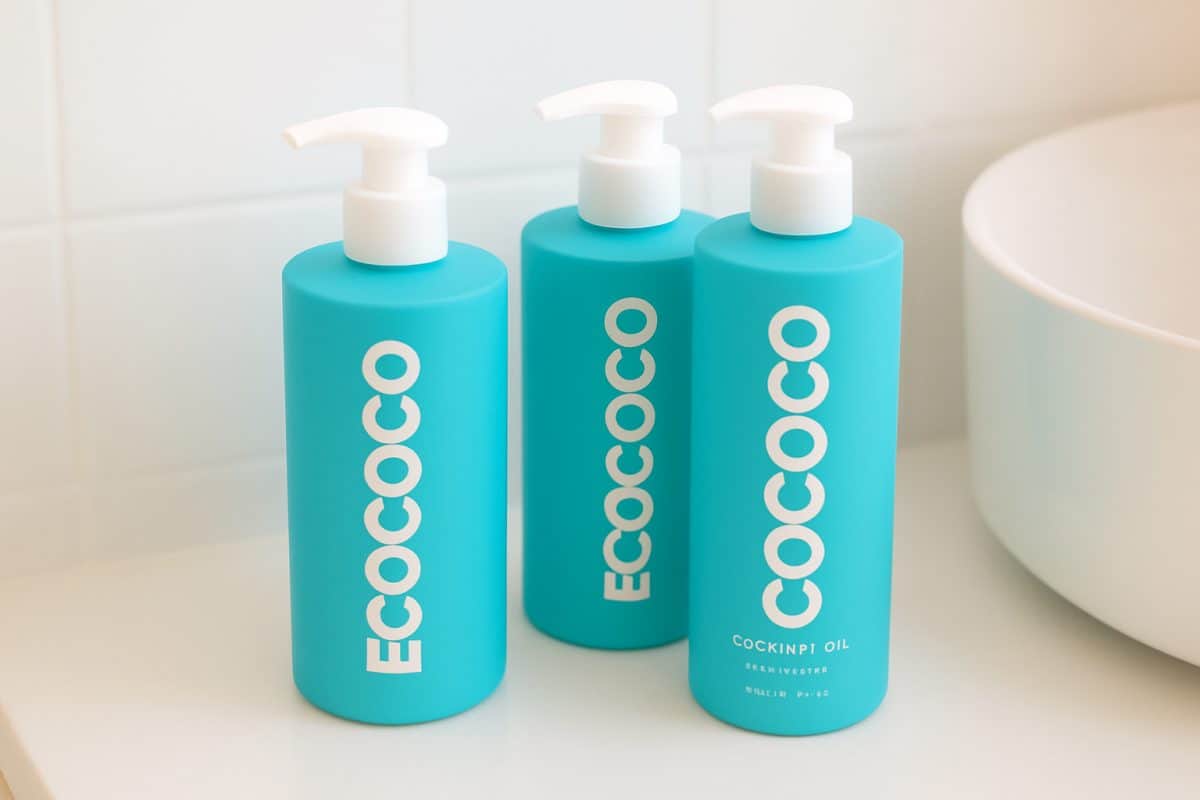
The Ecococo range spans body scrubs, body oils, body butters, hair masks, hair serums, self-tanning products, face serums, face oils, and lip treatments. It is a broad lineup for a brand built on a single ingredient, and the breadth itself tells a story.
The original core was body and hair — categories where coconut oil has a genuine functional role. Body scrubs were the early bestsellers, and for good reason: coconut oil plus an exfoliant is a combination that works, and Ecococo packaged it well. Hair masks followed the same logic, leveraging the oil penetration science with added conditioning agents.
The expansion into face and tan products came later, and it follows a pattern familiar to anyone who has watched ingredient-led beauty brands grow. The hero ingredient works brilliantly in two or three categories, the brand gains traction, and then the commercial pressure to expand pushes coconut oil into product types where it is less the functional star and more the branding hook. Not every product in the range uses coconut oil in the same way or to the same degree. Some are coconut oil products. Others are products with coconut oil on the label.
The body scrubs are the easiest recommendation in the Ecococo range. A coconut oil scrub with salt or sugar exfoliant does exactly what it promises — it buffs off dead skin and leaves a layer of oil behind that makes your legs feel like you have actually looked after them. The Ecococo body scrubs add fragrance and texture refinement that make the shower experience noticeably more pleasant than a DIY alternative.
The body butter and body oil sit in similar territory. They are straightforward occlusive moisturisers with coconut oil as the base, and they perform the way you would expect. Your skin feels softer, the moisture stays put longer, and there is a light tropical scent that fades within an hour. They are not revolutionary, but they are well-made.
Are they better than a jar of virgin coconut oil from Countdown? Functionally, the difference is marginal. Experientially, it is real. The formulated products have a better skin-feel, they absorb more cleanly, and they do not leave you smelling like you are about to stir-fry something. If the sensory experience matters to you — and for a product you use on your body every day, it reasonably might — the premium has a purpose.
Coconut oil has a genuine edge over most plant oils when it comes to hair. Its molecular structure — specifically the lauric acid — allows it to penetrate the hair shaft rather than just coating the surface. Most oils sit on top and add shine without doing much structurally. Coconut oil actually reduces protein loss from inside the hair fibre, which is why it has been used as a pre-wash treatment across South and Southeast Asia for centuries.
Ecococo hair masks build on this foundation with added hydrolysed proteins and conditioning agents. The formulation is sensible, and for thick, coarse, or curly hair the results are genuinely noticeable — softer texture, less frizz, more defined curl pattern after a twenty-minute treatment.
The limitation the brand does not mention is hair type. If your hair is fine or thin, coconut oil tends to weigh it down and leave it looking flat and greasy even after washing. This is not an Ecococo-specific problem — it is a coconut oil problem. But a brand that markets its hair range without acknowledging that it works best on specific hair types is leaving a significant number of customers disappointed. If your hair is fine, a lighter oil like argan or jojoba will serve you better.
The face serums are where the gap between the coconut oil story and the ingredient science gets uncomfortable. Ecococo sells facial oils and serums that feature coconut oil as a primary ingredient, targeting a market of consumers who have been told coconut oil is a natural wonder for their skin. For the minority with dry, non-reactive complexions, these might be fine. For the majority, putting a comedogenic-4 oil on your face daily is a slow-motion breakout waiting to happen.
The tanning products are a different kind of stretch. Self-tanners work because of dihydroxyacetone — DHA — which reacts with amino acids in dead skin cells to produce a brown colour. The coconut oil in an Ecococo tanning product is a carrier and skin-conditioning agent, not the active doing the tanning. It is a perfectly acceptable carrier. But the branding implies the coconut oil is somehow central to the tan, which is a bit like crediting the bread for the quality of the filling.
Neither of these product lines is bad, exactly. The tan products work as well as any mid-range self-tanner. The face oils might suit a narrow audience. But in both cases, the coconut oil branding is doing more work than the coconut oil itself.
Ecococo is an Australian brand, which for New Zealand buyers means availability depends on who is currently distributing them and how enthusiastic the import arrangement is. The brand has appeared in NZ through selected beauty retailers and online stores, though the range stocked locally tends to be narrower than what you would find on their Australian website.
Ordering direct from the Ecococo website and shipping to New Zealand is possible but not cheap. The exchange rate adds roughly fifteen to twenty percent to the sticker price, and shipping from Australia typically lands between eight and fifteen dollars depending on order size. For a mid-price body scrub, that shipping cost starts to eat into the value proposition.
NZ-based online beauty retailers occasionally carry Ecococo, and when they do, the pricing is generally more reasonable than importing yourself. The catch is consistency — the brand has moved in and out of NZ retail channels over the years, and what is available this month may not be next. If you find a product you like, buying multiples while it is in stock is not a bad strategy.
A 500ml jar of organic virgin coconut oil from a New Zealand supermarket costs somewhere between eight and fourteen dollars. An Ecococo body scrub of comparable size runs twenty-five to thirty-five dollars before shipping. That is a meaningful gap, and the question of whether it is justified depends on what you are paying for.
If you want an occlusive body moisturiser and nothing more, the supermarket jar does the job. It is the same oil. You can add your own sugar or salt for a scrub, squeeze in some lemon juice, and call it done. It will work. It will also be messy, smell like cooking, and require you to keep raw coconut oil in your bathroom.
The Ecococo premium buys you formulation — the texture has been engineered, the fragrance has been designed, the exfoliant particles are consistent, and the product is shelf-stable without you having to worry about it going off. It also buys you complementary ingredients that raw coconut oil does not provide. Whether that is worth double or triple the price depends on whether you treat body care as a functional task or a sensory experience. Neither answer is wrong.
If you are looking at the Ecococo range and want the most straightforward value, start with the body scrubs. They do what coconut oil does best, the formulation adds genuine texture and fragrance improvements over raw oil, and the price-to-experience ratio is reasonable. The hair mask is worth trying if your hair is thick, coarse, or curly — the science behind coconut oil and hair penetration is real, and Ecococo formulates around it competently.
The body oil and body butter are pleasant but not essential. If you already have a body moisturiser you are happy with, switching to Ecococo does not offer a dramatic upgrade. They are good products in a crowded category.
The face products are a skip for most people. Unless your skin is specifically dry and non-reactive, the comedogenic risk is not worth the experiment. And the tanning products — judge them on the DHA formula and the application experience, not on the coconut oil branding. The coconut oil is set dressing in that category.
Ecococo is a coconut oil brand that has expanded into skincare territory. That is a different thing from a skincare brand that incorporates coconut oil. The distinction matters because it shapes every product decision the brand makes — the hero ingredient comes first, and the product category is built around it, even when the fit is awkward.
Their best products — the body scrubs, the hair treatments — play directly to what coconut oil actually does well. They take a genuinely useful raw ingredient, add formulation expertise and sensory polish, and deliver something that justifies a reasonable premium over the supermarket jar. That is a legitimate value proposition.
Their weaker products push coconut oil into roles it was not designed for, relying on the ingredient mystique to sell across categories where other ingredients would be more appropriate. This is not unique to Ecococo — it is the pattern every single-ingredient beauty brand follows once it outgrows its core. The lesson for the consumer is simple: when you see a hero ingredient brand expanding into new categories, ask whether the ingredient genuinely belongs there or whether the brand simply needed more shelf space.
Coconut oil is a good ingredient. It is not a miracle ingredient, and no amount of branding changes its molecular structure. Ecococo understands what coconut oil does well and builds competent products around those strengths — but the range also stretches into territory where the brand name is doing more heavy lifting than the oil itself. The smartest approach for any consumer is the same whether the jar says Ecococo or Countdown: use coconut oil where it belongs, and reach for something else where it does not.