Ingredients, reviews, and professional insight for NZ beauty
Celluma LED light therapy has become one of those treatments that sounds either too good to be true or too boring to bother with, depending on which salon brochure you pick up. The reality sits somewhere more interesting. Built on genuine NASA-funded research into photobiomodulation, Celluma devices deliver specific wavelengths of light — blue, red, and near-infrared — that trigger measurable cellular responses. The clinical evidence is real, but it does not always match the marketing. Here is what the science actually supports, what the brochures overstate, and what it costs to access Celluma treatments in New Zealand.
There is a meaningful difference between the LED panel your dermal therapist positions over your face and the glowing mask an influencer wears in a sponsored reel. Medical-grade LED phototherapy devices deliver specific wavelengths at measurable irradiance levels — the amount of light energy reaching your skin per square centimetre. The cheap consumer masks often emit the right colours but at a fraction of the power needed to trigger a cellular response. The difference between a therapeutic dose and a nightlight.
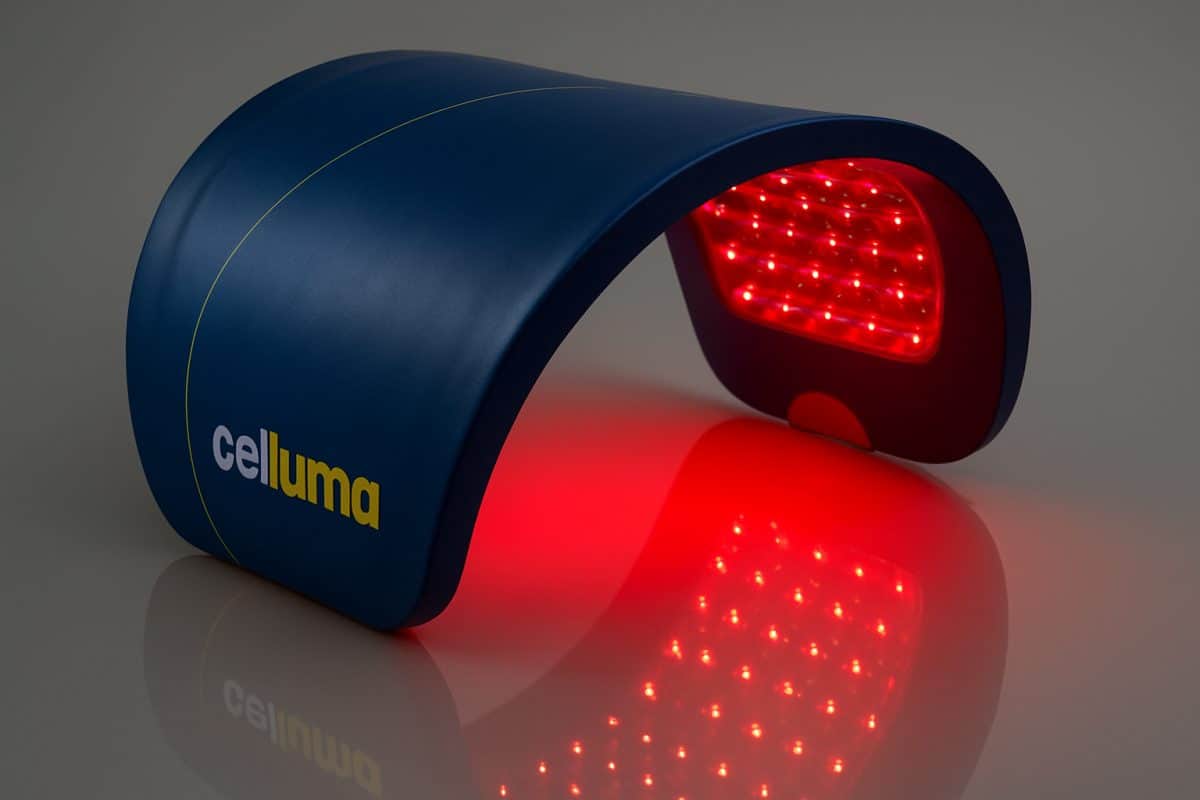
Celluma sits on the clinical end. Developed by BioPhotas, the device holds FDA clearance for specific indications — acne, pain management, and skin rejuvenation — which means it has been through the regulatory process most LED gadgets skip entirely. The NASA connection is real but overstated. NASA funded research into LED technology for plant growth in space and explored its potential for wound healing in astronauts. Celluma built on those findings, but the device is not a NASA product — it is a commercial application of publicly funded science.
What sets Celluma apart physically is its flexible polycarbonate panel. Unlike rigid LED devices that hover above the skin, the Celluma panel moulds to body contours, reducing the distance between LEDs and tissue. Since light energy follows the inverse square law — intensity drops sharply with distance — that close contact directly affects how much energy your cells receive.
Celluma delivers three wavelengths simultaneously, each targeting a different depth and cellular process.
Blue light at 465 nanometres sits at the shallow end — it penetrates the epidermis and upper dermis, where it generates reactive oxygen species that kill Cutibacterium acnes, the bacterium responsible for inflammatory breakouts. Blue light does not penetrate deeply enough to affect much else, which is precisely what makes it useful: targeted antibacterial action without systemic effects.
Red light at 640 nanometres reaches the mid-dermis, where fibroblasts live. The mechanism here is photobiomodulation — light energy is absorbed by cytochrome c oxidase in the mitochondria, which increases ATP production and upregulates collagen synthesis. In plain terms, red light gives your collagen-producing cells more energy to do their job. The effect is real but gradual, which is why single sessions do not produce visible results.
Near-infrared at 880 nanometres is invisible to the eye but penetrates deepest — reaching muscle, joint, and connective tissue. This wavelength drives the same mitochondrial response as red but at greater depth, making it relevant for pain relief, inflammation reduction, and wound healing. It is worth noting that some of the strongest clinical evidence for LED therapy comes from this wavelength range, even though beauty marketing rarely emphasises it. The combination of all three in a single session allows therapists to address surface and subsurface concerns simultaneously.
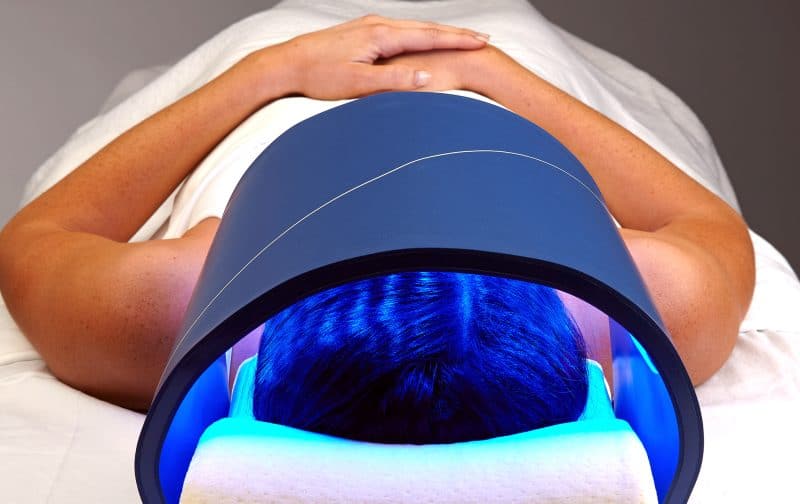
A Celluma treatment in a New Zealand salon is notably undramatic. You lie on a treatment bed, the therapist positions the flexible panel over the target area — face, neck, chest, or a sore joint — and you stay still for 30 minutes. The panel sits close to the skin, often resting directly on you, which feels like a gentle warmth rather than anything intense. There is no sensation of burning, no tingling, no downtime. You could walk into a meeting straight afterwards and nobody would know.
Most NZ clinics offer Celluma as an add-on to existing facial treatments rather than a standalone booking. A typical scenario: your therapist does a cleanse, enzyme peel, or microdermabrasion, then finishes with 30 minutes of LED while you lie there feeling moderately pampered. The theory is that freshly exfoliated skin absorbs light energy more effectively, which is physiologically reasonable — fewer dead cells scattering the photons.
Standalone LED sessions do exist and are usually quicker to book, but they are less common because the perceived value feels thin to most clients. Lying under a light panel for half an hour without the ritual of a full facial can feel anticlimactic, even when the cellular response is identical. This is a perception problem, not an efficacy problem, but it shapes how most salons position the service.
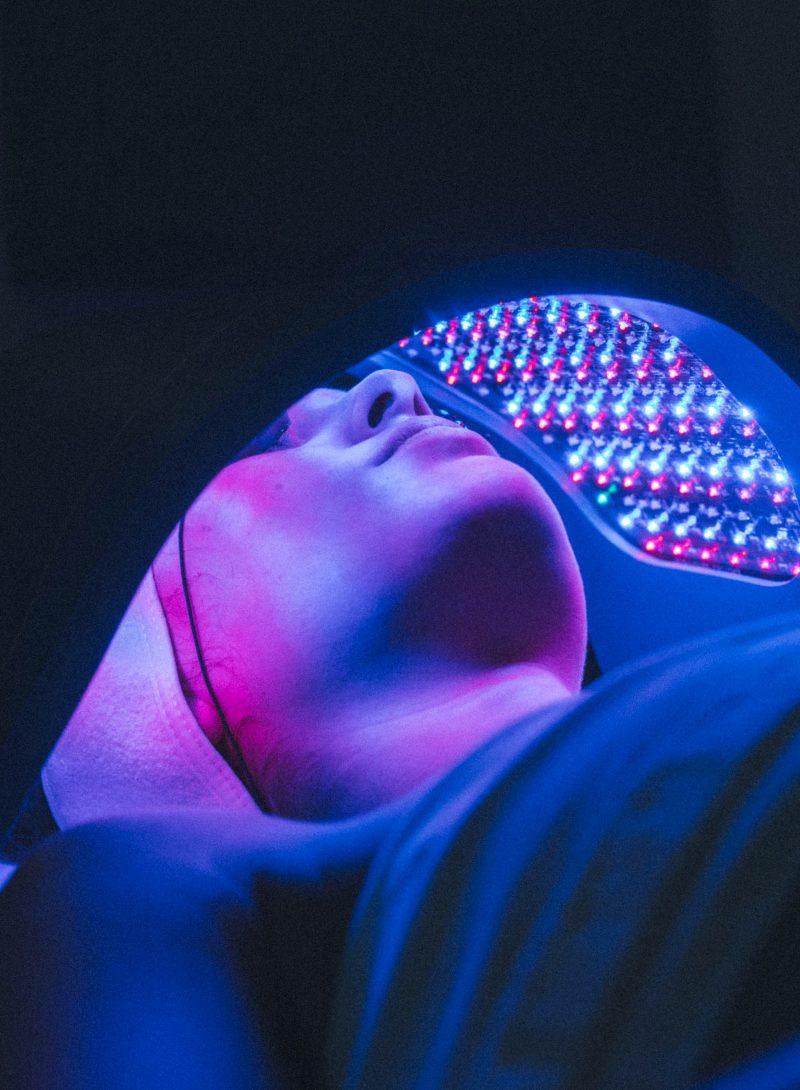
If Celluma has a flagship clinical indication, it is mild to moderate inflammatory acne. The mechanism is well-established: blue light at 415-465nm generates singlet oxygen that destroys C. acnes bacteria in sebaceous follicles, while red light reduces the inflammatory response that turns a blocked pore into an angry, swollen lesion. Multiple peer-reviewed studies have demonstrated statistically significant reductions in inflammatory lesion counts after courses of blue-red LED therapy, and Celluma specifically holds FDA clearance for acne treatment.
The key phrase is “mild to moderate inflammatory.” LED therapy works on the red, raised, inflamed papules and pustules — the ones that hurt when you touch them. It is considerably less effective for:
– Comedonal acne (blackheads and whiteheads), which involves blocked pores without the bacterial component that blue light targets
– Severe cystic acne, where the inflammation runs deep and often involves hormonal drivers that LED cannot address
For severe cases, LED therapy is at best a supporting player alongside systemic treatments prescribed by a dermatologist.
This is where the marketing tends to overshoot. An Instagram before-and-after showing dramatic acne clearance probably involved other interventions alongside the LED — a revised skincare routine, prescription retinoids, or dietary changes. LED therapy is genuinely useful for acne, but it works best as part of a strategy, not a standalone miracle.
Red and near-infrared light do stimulate fibroblast activity. This is not contested in the literature. The photobiomodulation pathway — light absorbed by mitochondrial enzymes, increased ATP production, upregulated collagen synthesis — has been demonstrated in cell culture studies and in vivo trials. Where it gets nuanced is the clinical significance of that stimulation in terms of visible results on a human face.
The honest assessment: LED therapy produces modest improvements in skin texture, fine lines, and overall tone when used consistently over weeks to months. Several controlled studies show measurable increases in collagen density and reductions in wrinkle depth after courses of 8-12 treatments. The improvements are real. They are also subtle. If you are expecting the kind of visible change that a course of professional retinol peels or fractional laser delivers, LED will disappoint you.
Where LED anti-ageing treatment makes genuine sense is as a maintenance tool — something you layer into your routine alongside your retinoid, your vitamin C serum, and your sunscreen. It supports the cellular processes that those topical actives also target, without the irritation or downtime that more aggressive treatments involve. Think of it as turning up the volume on your existing skincare rather than introducing a new instrument. For women over 40 who are already doing the basics well, regular LED sessions can add a subtle but cumulative benefit. For someone who has not yet committed to daily SPF, the money is better spent on sunscreen.
Here is something most beauty-focused LED marketing ignores: some of the strongest clinical evidence for photobiomodulation sits in pain management and wound healing, not aesthetics. Near-infrared light at 800-900nm penetrates past the dermis into muscle and connective tissue, where it reduces inflammation, increases local circulation, and accelerates tissue repair. Physiotherapists and sports medicine clinics have been using LED and low-level laser therapy for years — it is not exclusively a beauty treatment, despite how it is marketed in New Zealand.
Celluma holds separate FDA clearances for muscle and joint pain conditions, including arthritis. The clinical data supporting near-infrared therapy for musculoskeletal pain is surprisingly robust — randomised controlled trials have shown significant pain reduction in:
– Knee osteoarthritis
– Chronic neck pain
– Delayed onset muscle soreness
The effect sizes are not enormous, but they are consistent and the side-effect profile is essentially zero, which makes it an attractive option for people who want to reduce their reliance on anti-inflammatory medication.
For wound healing, the evidence is strongest in post-surgical recovery and chronic wounds. Near-infrared light promotes angiogenesis — the formation of new blood vessels — which accelerates healing. Some NZ skin clinics use Celluma after microneedling or ablative treatments to speed recovery, which is a logical application of the technology even if it sounds less glamorous than “anti-ageing LED facial” on the treatment menu.
LED therapy marketing has a consistency problem. The technology genuinely works — but the claims attached to it frequently exceed what the clinical evidence supports. “Eliminates wrinkles” becomes “may improve fine lines over a course of treatments” when you read the actual studies. “Clears acne” becomes “reduces inflammatory lesion count in mild to moderate cases.” The science is good; the copywriting is aspirational.
Some specific claims worth examining with scepticism:
– Skin tightening: LED therapy does not tighten skin in the way that radiofrequency or ultrasound treatments do. It does not heat tissue to the temperatures needed for collagen contraction and remodelling. If a salon promises LED skin tightening comparable to RF, they are conflating two different mechanisms.
– Dramatic wrinkle reduction: the studies showing wrinkle improvement after LED therapy report modest depth reductions measured in fractions of a millimetre. Real, but not what the before-and-after photos imply.
– Severe acne clearance: LED is an adjunct for severe acne, not a primary treatment. Anyone relying solely on LED for cystic breakouts needs a dermatologist, not a salon.
The frustrating thing is that none of this means LED does not work. It means the marketing oversells a technology that has legitimate, evidence-based applications. The gap between what Celluma can do and what some practitioners claim it can do is where consumer trust erodes — and that is a shame, because the honest version of the story is still worth telling.
For all the warranted scepticism about LED marketing generally, Celluma as a specific device does several things that separate it from the crowded field of LED gadgets.
FDA clearance for specific indications — acne, wrinkles, and pain — which requires submitting clinical evidence to a regulatory body. Most consumer LED masks operate as “general wellness” devices to avoid that regulatory threshold entirely, which tells you something about how confident their manufacturers are in the clinical data.
Published treatment parameters: wavelengths, irradiance levels, and recommended treatment durations. This transparency matters because dose is everything in photobiomodulation. A device emitting the right wavelength at insufficient power density will produce no therapeutic effect — you need the correct energy dose delivered to the tissue, and that depends on irradiance, distance, and duration working together. Many competing devices do not disclose their irradiance specifications, making it impossible to evaluate whether they deliver a therapeutic dose.
Flexible panel design. This is not a cosmetic feature. The inverse square law means that doubling the distance between the LED and your skin reduces the energy reaching the tissue by a factor of four. A rigid panel hovering three centimetres above your cheekbone delivers meaningfully less energy than a flexible panel resting against it. Celluma is not perfect, and it is not cheap, but it is a serious device in a market flooded with products that are not.
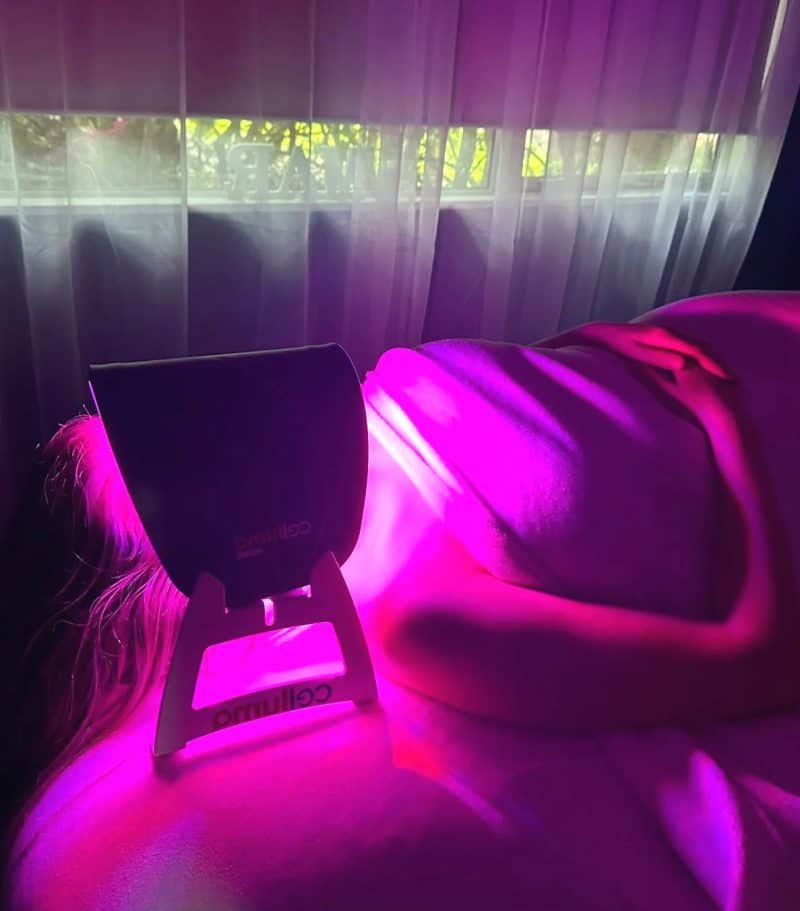
Celluma is distributed in New Zealand but it is not in every salon. You will find it primarily in results-focused skin clinics and advanced beauty salons — the kind of business that also offers microdermabrasion, chemical peels, and LED as part of a treatment protocol rather than a one-off indulgence. Day spas and basic beauty salons are less likely to have invested in the device, partly because of cost and partly because their client base is not typically seeking clinical outcomes.
Auckland has the widest selection, followed by Wellington and Christchurch. Regional centres are more hit-and-miss. When searching for a provider, look for clinics that specifically name Celluma in their treatment menu rather than listing generic “LED light therapy” — a salon using a Celluma device will usually say so because the brand carries recognition value. If the menu just says “LED facial” without specifying the device, it could be anything from a genuine Celluma to a budget panel from a beauty wholesale catalogue.
It is reasonable to ask a salon which specific LED device they use, what wavelengths it delivers, and whether it has FDA or TGA clearance. A therapist who cannot answer these questions confidently may be operating equipment they do not fully understand, which is more common than the industry would like to admit. You are paying for a specific phototherapeutic dose — knowing what device delivers that dose is not an unreasonable expectation.
In New Zealand, a standalone Celluma LED session typically runs between NZD 50 and NZD 80, depending on the clinic and location. More commonly, you will encounter it as a NZD 30-50 add-on to a facial treatment, bringing your total to NZD 120-200 for a combined session. The pricing reflects the treatment reality: most clinics position LED as an enhancement rather than a standalone service.
Here is the honest cost calculation most marketing avoids. A single LED session will not produce visible results for any indication — acne, anti-ageing, or pain. The clinical evidence consistently points to treatment courses of 6 to 12 sessions, typically twice weekly, before measurable changes appear. At the lower end, that is NZD 300-400 for a standalone LED course. Bundled with facials, you are looking at NZD 720-2,400 depending on the base treatment and frequency. That is a significant investment, and it needs to be weighed against what else that money could buy in your skincare routine.
For context: NZD 500 also buys a year of prescription-strength retinoid, a professional-grade vitamin C serum, and a good broad-spectrum sunscreen — a combination with stronger evidence for anti-ageing than LED alone. LED makes financial sense when you have already built a solid topical routine and want to add a modality that supports those actives without irritation or downtime. It makes less sense as the first thing you spend money on if your basics are not covered.
LED light therapy is not for everyone, and being honest about who benefits most saves both money and disappointment. The strongest candidates fall into three groups:
– Mild to moderate inflammatory acne sufferers who want a non-irritating treatment to complement their topical routine — particularly those who react badly to benzoyl peroxide or who want to reduce antibiotic use
– Women over 35 who already have a committed skincare routine (retinoid, antioxidant serum, sunscreen) and want a gentle, cumulative boost to collagen production without the downtime of more aggressive treatments
– Musculoskeletal pain or post-procedure healing — anyone wanting a low-risk, drug-free support therapy
Who should probably skip it: anyone expecting dramatic results from a single session or a short course. Anyone with a photosensitivity disorder, lupus, or a history of seizures triggered by light. Anyone currently taking photosensitising medications — including certain antibiotics (doxycycline), retinoids (isotretinoin), and some anti-inflammatory drugs — should consult their prescribing doctor before booking. Pregnancy is listed as a contraindication by most device manufacturers, though the evidence for harm is limited; it is a precautionary exclusion.
If your primary concern is deep wrinkles, significant skin laxity, or severe acne scarring, LED therapy will not address those effectively. Those concerns need heavier interventions — fractional laser, radiofrequency, or dermatological consultation — and a therapist who suggests otherwise is overselling the technology.
Celluma sells home-use devices — the Celluma Home and Celluma Lite — which raises the obvious question: why pay for professional sessions when you could treat yourself? The answer, as usual, comes down to dose. Professional Celluma panels are larger, deliver higher irradiance, and cover more treatment area than the home units. The Celluma Pro used in clinics has a larger LED array than the Home model, which means more uniform energy delivery across the treatment zone.
That said, the home devices are not toys. They use the same wavelengths and the same flexible panel design as the professional units. The Celluma Home is FDA-cleared for the same indications. What changes is the practical reality of use: you need to commit to regular sessions at home — typically 30 minutes, three to five times per week — and most people overestimate their compliance. A device that lives in a cupboard after the second week is not delivering any dose at all.
The financial calculation is straightforward. A Celluma Home retails for roughly NZD 700-900 in New Zealand. A 12-session professional LED course costs NZD 600-960. The home device breaks even after about 12-15 professional sessions and then effectively becomes free to use. If you are disciplined enough to use it consistently, the home device is the better long-term value. If you know yourself well enough to admit that you need the accountability of a booked appointment to actually follow through, professional sessions are the more honest investment. Neither answer is wrong — it depends entirely on how well you know your own habits.
Celluma LED light therapy is a legitimate clinical tool with genuine evidence behind it — just not as much evidence as the marketing implies. The technology works, the mechanisms are well-understood, and for the right person with the right expectations, it is a worthwhile addition to a considered skincare or pain management strategy. The trick, as always in beauty, is knowing what you are buying and whether the realistic version of the results is worth the realistic version of the price.