Ingredients, reviews, and professional insight for NZ beauty
Chemical peels sit in an awkward spot for a lot of New Zealand women – too clinical to feel like a treat, too vague to feel safe booking. The menu lists glycolic this and TCA that, the downtime is described in soothing euphemisms, and you are left unsure whether you are signing up for a glow or a week indoors. Here is the plain version from behind the treatment-room door: what each type of peel actually does, what the recovery genuinely looks like, where beauty stops and medicine starts, and when a peel is worth the money rather than just consistent care at home.
A chemical peel is, at heart, the same chemistry as the exfoliating acid in your bathroom cabinet – just stronger, and applied by someone trained to control it. A therapist brushes an acid solution onto cleansed skin, leaves it on for a measured time, and neutralises or removes it. In those few minutes it does, more deeply and evenly, what a home product does gradually over weeks: lifts away built-up surface cells and prompts the skin underneath to renew.
The key words are controlled and professional. The strength of the solutions, the precision of the timing, and the judgement about what your particular skin can take are exactly why this is a treatment you book, not one you attempt at the kitchen bench from something bought online. A peel done well is one of the more genuinely effective things a beauty clinic offers. A peel done carelessly – or at home, off-script – is how people end up with burns and pigment they spend a year undoing.
Peels are usually sorted by how deeply they work: superficial, medium, and deep. That depth determines everything – what the peel can treat, how dramatic the downtime is, and, frankly, who should be doing it. The deeper the peel, the bigger the result and the bigger the risk, which is why depth is the honest way to talk about them rather than brand names.
This piece covers the superficial and medium-depth peels you will actually be offered in a New Zealand beauty clinic, because that is where the everyday reality lives. Deep peels are a different conversation entirely – a medical one, which we will draw a clear line around shortly. The range of chemical peels and what each depth does is well documented, and knowing roughly where a treatment sits on that scale is the single most useful thing to walk into a consultation already understanding.
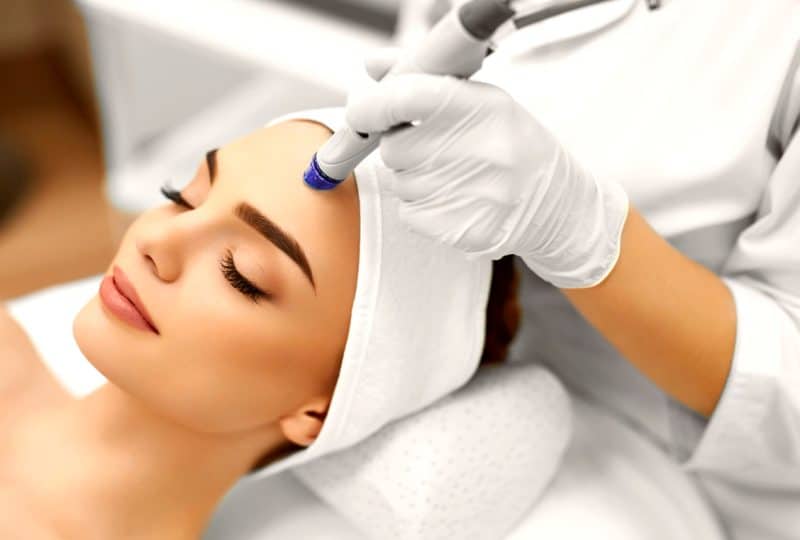
The peels most New Zealand clinics lead with are superficial ones, using familiar acids – glycolic, lactic, mandelic, or salicylic – at higher strengths than you would use at home. These are the so-called lunchtime peels: a quick treatment, a bit of tingle and flushing, and usually little more than mild flaking afterwards. You can generally go back to normal life the same day.
What they deliver is gradual rather than dramatic. A single superficial peel gives skin a fresh, smoother look; a course of them, spaced a few weeks apart, builds up to real improvement in dullness, mild rough texture, congestion, and early sun-related pigment. Think of them as a professional-strength version of consistent home exfoliation – more potent and more even, but still working with the surface rather than overhauling the skin. For most people’s everyday concerns, this is the tier that makes sense to start with.
Medium-depth peels, typically based on TCA (trichloroacetic acid), reach further into the skin and address what superficial peels only nibble at – more stubborn pigmentation, fine lines, and some textural scarring. The trade-off is honest and unavoidable: a bigger result comes with bigger, visible downtime. This is not a treatment you have on a Friday and front up to a wedding on the Saturday.
Because they work deeper, medium peels are done less often and spaced well apart, sometimes as a single annual treatment or a short, carefully managed series. They demand more of a skin consultation beforehand, because skin tone and history genuinely affect whether a medium peel is safe and sensible for you. If a clinic offers to go straight to a medium-depth peel without properly assessing your skin first, that is a reason to slow down, not speed up.
There is a line worth naming. Deep peels – the phenol-based treatments that resurface dramatically and carry serious risk – are not beauty-clinic territory. They belong with doctors and dermatologists, done under medical supervision, and anyone offering you something that aggressive across a beauty treatment bed is operating where they should not be.
The same goes for peels aimed at treating a genuine skin condition rather than improving everyday tone and texture. If your concern is active acne, melasma you have battled for years, or anything that feels medical, the right first stop is a doctor or dermatologist, not a spa menu. Beauty Sense stays firmly in the skincare-and-beauty lane, and the honest version of that is knowing where it ends. A good therapist knows it too, and will refer you on rather than reach beyond what a beauty peel can safely do.
Forget the dramatic films-and-TV version where skin comes off in sheets – that is a deep peel, and not what you are having. With a superficial peel, the reality is modest: skin may feel tight and look slightly pink immediately after, and over the next two to four days you might get some light flaking, the kind you can hide with moisturiser and get on with your week. Plenty of people barely flake at all.
A medium-depth peel is where downtime becomes real and worth planning around. Expect noticeable tightness and redness, followed by several days of genuine peeling as the treated surface sheds – not pretty, and not something to schedule before a big event. Knowing this in advance is the difference between a treatment that goes to plan and a week of unpleasant surprise. Ask the clinic exactly what your specific peel will do to your skin and for how long, and believe the answer.
What you do after a peel matters as much as the peel itself. Fresh, newly resurfaced skin is delicate, so aftercare is deliberately boring: gentle cleanser, a good moisturiser, no actives, and – this one is hard – no picking at the flaking, however tempting, because pulling skin before it is ready is how you end up with marks.
The non-negotiable is sun protection. A peel exposes new skin that is especially vulnerable to UV, and New Zealand’s sun is unusually fierce, so daily broad-spectrum SPF is not optional in the weeks afterward – it is what protects the result you just paid for. Skip it and you can trade the pigment you treated for fresh pigment, which is a deflating way to spend your money. If you are not prepared to be diligent with sunscreen afterward, a peel is not the right treatment for you yet.
A peel earns its money when you have a specific, cumulative concern – sun-related pigment, rough texture, persistent dullness – that good home care has improved but plateaued on. A professional peel, or a short course of them, can push past that plateau in a way your bathroom routine cannot, because it works at a strength you simply cannot safely use yourself.
The mindset that gets value from peels is realistic and patient: a course of superficial peels over a few months, with clear goals discussed at consultation, layered on top of a solid daily routine – not a single dramatic treatment expected to transform everything. Peels complement good skincare; they do not replace it. The reader who keeps up sunscreen and sensible home products between treatments gets far more from a peel than the one who treats it as a reset button for an otherwise neglected routine.
And sometimes the honest advice is to keep your money. If your concerns are mild – a bit of dullness, the occasional rough patch – a well-chosen home acid used consistently will very likely get you there for a fraction of the cost, no downtime required. A peel is not automatically better just because it is done by a professional and costs more.
It is also the wrong spend if you are chasing a transformation peels cannot deliver, or if you know you will not keep up the sun protection and gentle aftercare that make them work. There is no shame in deciding the maintenance is not for you. The most useful question to ask before booking is the one the marketing never will: would a consistent, sensible home routine get me most of the way there for far less? Often it would – and a good therapist will tell you so.
A chemical peel is a genuinely useful treatment that the industry manages to make sound both scarier and more magical than it is. Know which depth you are being offered, plan honestly around the downtime, protect the result from our sun, and book it for a concern that warrants it rather than on impulse. Used that way, a peel is money well spent. Used as a shortcut around a routine you were never going to keep up, it is an expensive way to be disappointed.