Ingredients, reviews, and professional insight for NZ beauty
New Zealand has the highest rates of melanoma in the world, and the reasons have less to do with Kiwi beach culture than with atmospheric physics. The ozone layer over our heads is thinner, the Earth is closer to the sun during our summer, and our clean air — the thing we rightly celebrate — offers almost no UV filtration. If you are building a skincare routine based on advice from Vogue or Allure, you are working from a UV playbook written for a different planet.
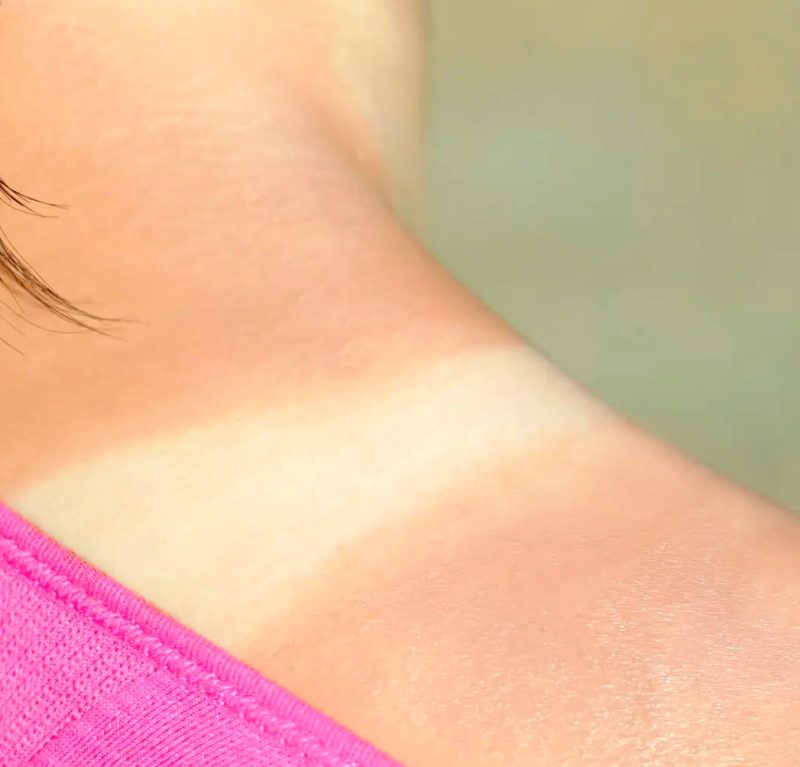
New Zealand sits at the ragged edge of the Antarctic ozone hole, and that fact shapes every skincare decision you make here — whether you realise it or not. The ozone layer over the southern hemisphere is measurably thinner than its northern counterpart, a legacy of decades of chlorofluorocarbon damage that concentrated around the South Pole. While the hole itself is over Antarctica, the depleted zone stretches northward, and NZ catches the fringe of it every spring and summer.
The numbers are not subtle. NIWA research consistently shows that NZ receives around 40% more UV radiation than equivalent latitudes in the northern hemisphere. Compare Auckland at 37 degrees south to Seville at 37 degrees north — same distance from the equator, dramatically different UV exposure. Seville is no picnic for pale skin, but Auckland will burn you faster and deeper, month for month.
This is not a theoretical concern for skincare. That 40% gap means every assumption built into northern hemisphere sun protection advice — how much SPF you need, when to apply, how long you can stay out — is calibrated for a UV environment that is fundamentally less aggressive than ours.
There is a quirk of orbital mechanics that most beauty editors never mention. Earth reaches perihelion — its closest point to the sun — in early January, right in the middle of the southern hemisphere summer. The difference is roughly 3.3%, which translates to about 7% more solar energy hitting the southern hemisphere during its summer compared to what the northern hemisphere receives during its equivalent season.
Seven percent sounds small on paper. It is not small on your skin. That extra intensity stacks on top of the ozone deficit, compounding the UV load. A January afternoon in Christchurch is not equivalent to a July afternoon in Manchester at the same latitude — it is measurably, physically more intense. The photons hitting your face carry more energy.
Add to this that the southern hemisphere atmosphere is cleaner. Less industrial activity, fewer aerosol particles, less particulate matter scattering incoming UV before it reaches ground level. Northern hemisphere cities have an accidental sunscreen in their polluted air. We do not.
It sounds counterintuitive, but NZ’s famously clean air is part of the problem. The atmospheric aerosol load over most of Europe, eastern North America, and East Asia is significantly higher than over New Zealand. Those tiny particles — industrial emissions, vehicle exhaust, dust — scatter and absorb UV radiation before it reaches the ground. It is not a planned defence, but it works: heavily industrialised regions get a measurable UV discount.
NZ has none of that. Our air is as close to pristine as any populated country gets, and while that is excellent news for your lungs, it means UV radiation has an almost unobstructed path from the stratosphere to your face. On a clear Canterbury day, there is remarkably little between you and the sun.
Altitude compounds this for anyone in the South Island high country or Central Otago. UV intensity increases roughly 10-12% per 1,000 metres of elevation. Queenstown sits at around 310 metres, but head up to a ski field at 1,600 metres and the UV load jumps sharply. Reflection from snow and water adds another layer — snow bounces back up to 80% of UV radiation, effectively hitting your skin from two directions at once.
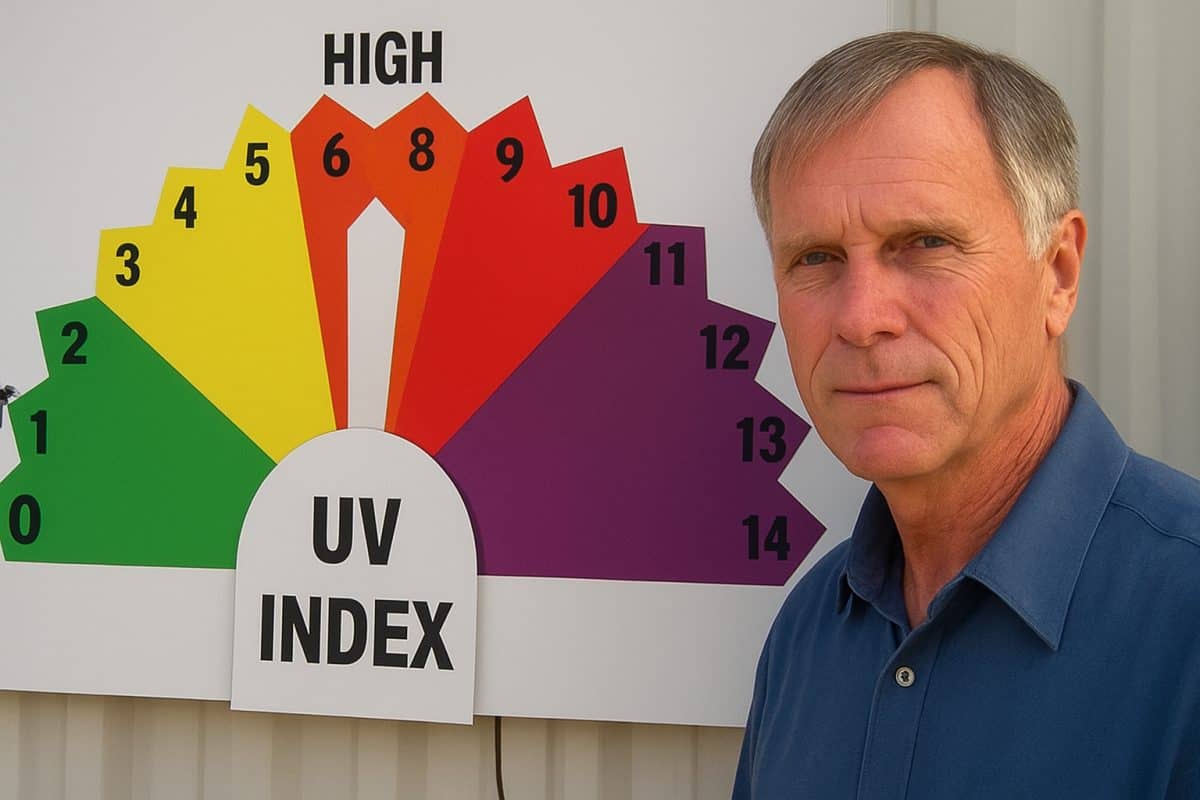
The UV index is a standardised measure of erythemally weighted UV radiation — which is a technical way of saying it measures how fast the sun will damage unprotected human skin. The scale runs from 1 (minimal risk) upward, with anything above 3 requiring protection and anything above 8 classified as “very high.” NZ routinely blows past 8.
In a typical Canterbury or Nelson summer, the UV index hits 12 or 13 on clear days. That is classified as “extreme” on the international scale. To put it in context, London peaks at around 6-7 in midsummer. New York reaches 8-9 on its worst days. Auckland regularly exceeds both, and Christchurch can match or beat the UV levels of tropical cities at lower latitudes.
At a UVI of 12, unprotected fair skin begins to burn in roughly 10-15 minutes. At a UVI of 6 — a typical London summer peak — that window stretches to 25-30 minutes. The difference is not academic. It means that a sunscreen application strategy designed for London conditions gives you roughly half the protection time you need in New Zealand.
The standard advice is to avoid sun between 10am and 4pm, and in NZ that is the bare minimum. What catches people off guard is how high UV levels remain outside that window during midsummer. In December and January, UV can be significant as early as 9am and stay elevated until 5pm in the upper South Island and northern regions.
Cloud cover offers less protection than most people assume. Thin or scattered cloud transmits up to 80% of UV radiation. You feel cooler because the infrared heat is partially blocked, but the UV passes through largely intact. The number of Kiwis who have burned badly on overcast beach days is a testament to this disconnect between perceived and actual UV exposure.
The practical implication for skincare is that your morning application needs to go on earlier than you think, and your afternoon reapplication needs to happen later. If you are applying sunscreen at 9:30 before leaving the house and assuming it will hold until you get home at 5:30, you are running unprotected for the last two to three hours of meaningful UV exposure — and possibly the first hour as well if you applied too lightly.
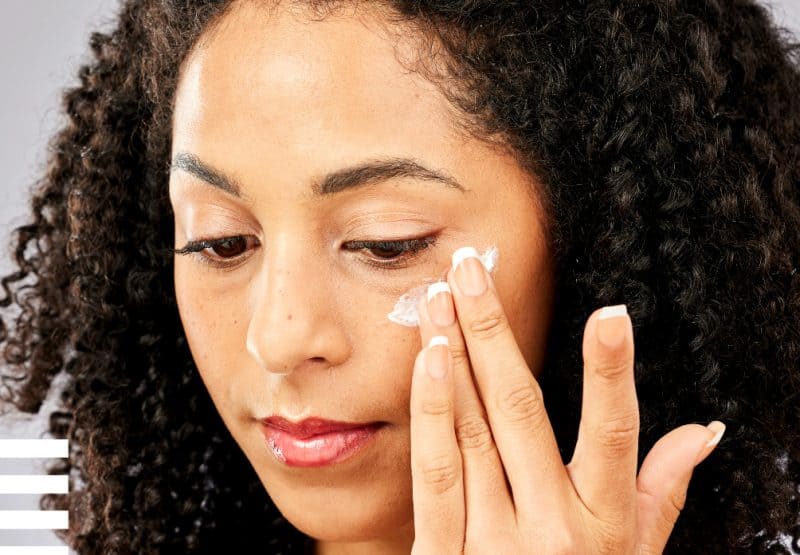
When a US beauty publication suggests that SPF 15 in your moisturiser is adequate daily protection, they are writing for a UV environment that rarely exceeds index 8. Apply that advice in Auckland in February and you are asking for damage. SPF 50+ should be the default for any NZ woman who spends more than ten minutes outdoors between September and April.
The mathematics of SPF are often misunderstood, which makes the gap between SPF 30 and SPF 50 seem trivial when it is not. SPF 30 blocks approximately 96.7% of UVB radiation. SPF 50 blocks about 98%. That looks like a mere 1.3% difference until you flip the numbers: SPF 30 lets through 3.3% of UVB, while SPF 50 lets through 2%. In relative terms, SPF 30 allows roughly 65% more UV to reach your skin than SPF 50.
At NZ UV levels, that 65% difference translates to real damage over a summer. Professional skincare therapists across the country will tell you the same thing — SPF 30 is the absolute floor for NZ conditions, not the recommendation. If you are using a tinted moisturiser with SPF 30 as your only sun protection on a January day, you are underprotected.
SPF only measures UVB protection — the wavelengths responsible for sunburn. UVA radiation, which penetrates deeper into the dermis and drives photoageing, is measured separately. In NZ, where overall UV intensity is higher, your UVA exposure is correspondingly more aggressive than what northern hemisphere skin encounters.
The PA rating system (Protection Grade of UVA) is the most useful consumer measure, running from PA+ to PA++++. In NZ conditions, anything below PA+++ is a compromise. The problem is that many cosmetically elegant sunscreens — the lightweight, non-greasy formulations that beauty influencers rave about — achieve their pleasant texture by reducing the concentration of UVA filters. You get a nice finish and inadequate protection.
Check the back of the bottle, not the front. “Broad spectrum” on an Australian or NZ-regulated sunscreen means it meets a specific UVA-to-UVB protection ratio, which is a reasonable baseline. But the same claim on a US-market product follows weaker standards. If you are buying sunscreen from international online retailers, the broad spectrum claim on a US brand does not guarantee the same UVA coverage as a locally compliant product.
The best sunscreen in the world does nothing if it wore off two hours ago, and in NZ, it wears off faster than you think. UV radiation degrades the chemical filters in sunscreen, and higher UV intensity means faster degradation. A sunscreen that holds up for three hours in London conditions may be significantly diminished after two hours in Christchurch summer sun.
The two-hour reapplication rule is not conservative for NZ — it is the minimum. If you are sweating, swimming, or towelling off, that window shrinks further. The challenge, of course, is that most women apply sunscreen as part of a morning skincare and makeup routine and have no practical way to strip everything off at midday to reapply a cream sunscreen.
This is where SPF setting sprays and powder sunscreens earn their keep. Products like the Cancer Society’s everyday SPF 50+ range work over makeup without disturbing it. La Roche-Posay’s Anthelios invisible spray can go over a full face of makeup. Mineral powder sunscreens from brands stocked at NZ pharmacies offer another option for midday top-ups. None of these are as effective as a fresh application of cream sunscreen to bare skin, but they are vastly better than nothing — and nothing is what most people default to when reapplication seems impractical.
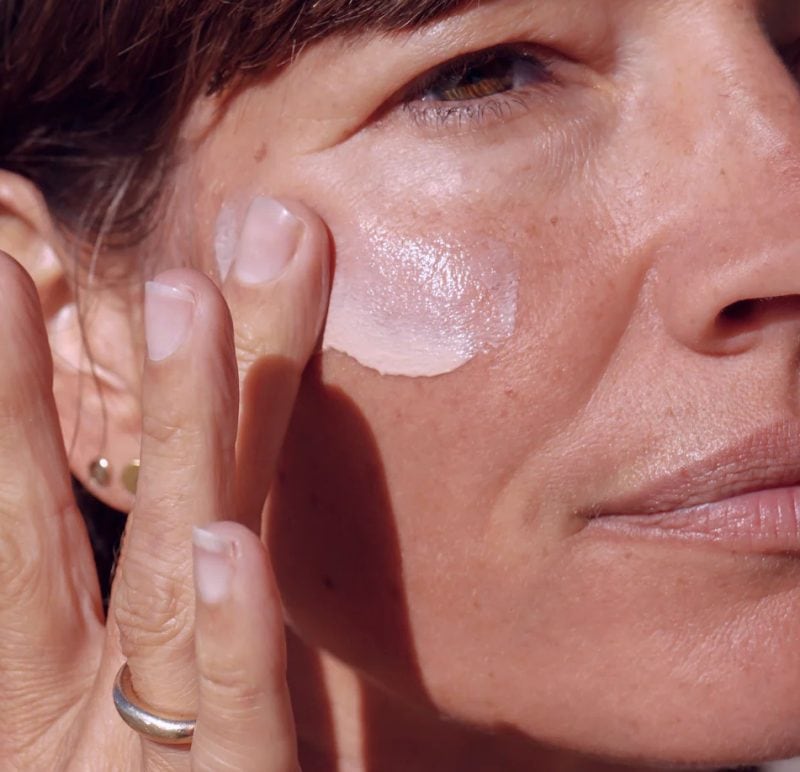
The international beauty consensus has shifted toward year-round retinol use, with the caveat that you should wear sunscreen. That caveat is doing a lot of heavy lifting in NZ, where the sunscreen itself may not be sufficient to offset the photosensitivity that retinol creates.
Retinol increases skin sensitivity to UV radiation. That is the whole reason dermatologists historically recommended it as an evening-only product. In a low-UV environment like the UK, where winter UVI rarely exceeds 1-2 and summer peaks at 6-7, the risk equation is manageable with diligent sunscreen use. In NZ, where summer UVI doubles those figures, the margin for error shrinks considerably.
Many NZ-based dermal therapists recommend a seasonal adjustment rather than a binary on-or-off approach. Drop your retinol concentration from October to March — if you are using 1% through winter, switch to 0.3% or 0.5% for summer. Alternatively, swap to bakuchiol, a plant-derived retinol alternative that delivers some of the same collagen-stimulating benefits without the photosensitivity. It is not as potent as prescription-strength retinoid, but it does not come with the same UV risk, and for a NZ summer that trade-off often makes sense.
Vitamin C is one of the few actives that becomes more valuable, not less, in a high-UV environment. L-ascorbic acid is a potent antioxidant that neutralises free radicals generated by UV exposure. Applied in the morning under sunscreen, it functions as a second line of defence — the sunscreen blocks and absorbs UV, while the vitamin C mops up the oxidative damage from whatever gets through.
The timing matters. Apply your vitamin C serum in the morning, after cleansing and before sunscreen. Give it two to three minutes to absorb before layering SPF over the top. Some women reserve vitamin C for evening use to avoid potential interactions with other actives, but in NZ conditions, you want that antioxidant protection working during the hours when UV is generating free radicals in your skin.
Storage is the other consideration that NZ summers complicate. L-ascorbic acid is notoriously unstable. Heat and light accelerate its oxidation, and a NZ bathroom in February can easily reach temperatures that degrade an open bottle within weeks. If your vitamin C serum has turned orange or brown, it has oxidised and is no longer effective — it may actually be pro-oxidant at that point. Store it in the fridge, buy smaller bottles you will use within six to eight weeks, and check the colour every time you use it.
Pick up any issue of a major US or UK beauty publication and count the SPF recommendations. You will find SPF 15 described as adequate for daily wear, SPF 30 positioned as “high protection,” and SPF 50 reserved for beach days or tropical holidays. That framework makes sense in London, where the UV index peaks around 6-7, or in New York, where it reaches 8-9 on the worst days. It does not make sense in Auckland, where a routine Tuesday in January can hit UVI 12.
The advice is not wrong for its audience. It is wrong for ours. When a UK dermatologist says you can skip sunscreen on overcast winter days, they are talking about a UVI of 1-2. NZ winter UV in the upper North Island can still reach 3-4 on clear days — enough to cause cumulative damage over time.
The same logic applies to product routines. US skincare advice built around indoor, air-conditioned lifestyles assumes a level of UV avoidance that simply does not match how most New Zealanders live. We are outdoors more, our outdoor UV is higher, and the gap between international advice and local reality is wide enough to matter.
International “best sunscreen” lists are particularly misleading when read from NZ. A US publication might recommend a sunscreen with SPF 30 and modest UVA protection as a top pick because it feels beautiful on the skin and layers well under makeup. Those are real qualities, but they are not the most important qualities for a product you will wear in NZ summer conditions.
Availability is the other problem. A product that tops the Allure Best of Beauty list may not be stocked by any NZ retailer. If it is available, the price may be 40-60% higher than in the US after shipping and import margins. And if you do manage to source it, the formulation may differ — some brands adjust their sunscreen filters for different regulatory markets, meaning the US version does not contain the same UV filters as the Australian or European equivalent.
The practical effect is that NZ women reading international beauty media are often chasing products they cannot easily buy, at price points that do not reflect NZ retail reality, with sun protection calibrated for someone else’s UV environment. It is not useful guidance, however authoritative the source appears.
Filtering international advice for NZ conditions is not complicated, but it does require conscious adjustment. Start with the UV assumption: if the advice does not specify a UV index, assume it was written for UVI 6-8. If you are applying it to NZ summer (UVI 10-13), scale your protection upward accordingly.
For sunscreen, treat SPF 50+ broad spectrum as the NZ baseline, not the premium option. Check for the Australian/NZ regulatory compliance mark — products sold through NZ pharmacies and department stores will meet AS/NZS 2604 standards, which set a higher UVA protection bar than US FDA requirements.
For actives, adjust seasonal timing. NZ summer is longer and more intense than a British summer, so any advice about “summer skincare adjustments” needs to start earlier (October) and run later (March) than the original publication assumes. The Cancer Society of New Zealand provides UV-specific guidance calibrated to NZ conditions — it is a more reliable starting point than any international beauty publication for base-level sun protection advice.
For product sourcing, check local stockists before falling for an international recommendation. NZ has excellent options from brands like Skinsmiths, local pharmacies carry strong sunscreen ranges, and the professional skincare brands available through NZ clinics are formulated with southern hemisphere UV in mind.
The gap between NZ UV reality and the assumptions embedded in most skincare advice is not a nuance — it is a chasm. Every product choice, every active ingredient, every reapplication decision needs to account for the fact that our sun is measurably more aggressive than the sun those recommendations were written for. The good news is that adjusting is straightforward once you understand why the adjustment is necessary. The UV is not going anywhere. Your routine should reflect that.