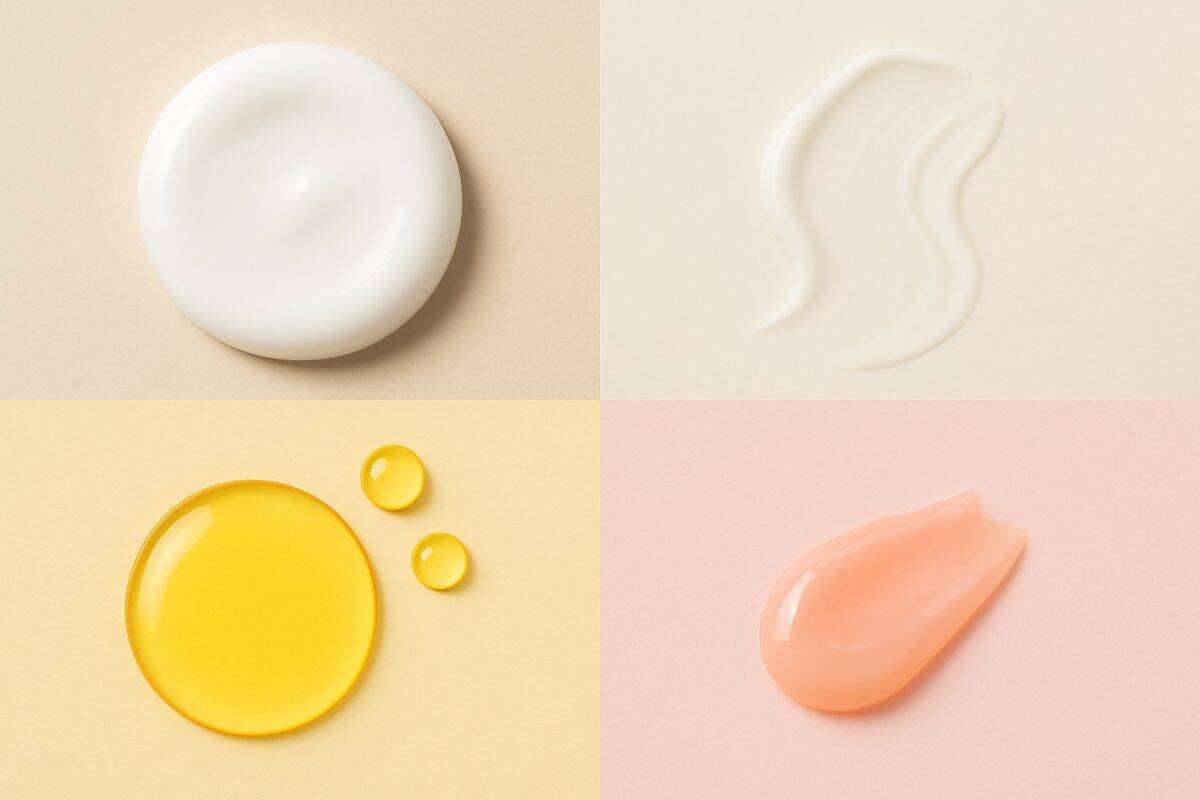
Ingredients, reviews, and professional insight for NZ beauty
Every skincare aisle in New Zealand is designed to make you feel like you need more. You do not. Three products — chosen well and used consistently — will do more for your skin than a bathroom shelf full of impulse purchases and half-finished serums. Here is where to start, what to spend, and why this foundation matters more than anything you add to it later.
Scroll through any beauty forum or skincare subreddit and the advice comes in walls of product names, layering instructions, and wait times between applications. A ten-step routine assumes you already know the difference between a hydrating toner and an exfoliating toner, that you have opinions on niacinamide percentages, and that you own enough shelf space to house the results. For someone starting from zero — or starting again after years of face wash and hope — that volume of information does not educate. It paralyses.
This is not a gap in your knowledge. The beauty industry makes money when routines are complicated, because complicated routines require more products. Every “essential” step added to a routine is another SKU sold. The brands know this. The influencers who receive PR packages of twelve products know this. The only people who do not know this are the consumers standing in a Chemist Warehouse aisle wondering which of forty-seven moisturisers is the right one, and leaving with nothing because the decision felt impossible.
Your skin has three non-negotiable requirements. It needs to be clean — free of the accumulated sebum, pollution, sunscreen residue, and dead cells that a day deposits on your face. It needs to be hydrated — the skin barrier functions properly when it holds adequate moisture, and poorly when it does not. And it needs protection from ultraviolet radiation, which is responsible for the vast majority of visible skin ageing and, more importantly, is the primary environmental cause of skin cancer.
That is the entire foundation. Cleanser, moisturiser, sunscreen. Three products. Everything else you see on a bathroom shelf — the serums, the essences, the ampoules, the sheet masks, the mists — sits in the category of optimisation. Optimisation is wonderful once your foundation is solid. It is a waste of money and mental energy when your foundation does not exist. A forty-dollar vitamin C serum cannot compensate for skin that is not being properly cleansed or protected from UV. Get the three right first, and you will have a better platform for anything you choose to add later than someone running a twelve-step routine with a mediocre cleanser and no sunscreen.

A cleanser is not soap. That distinction matters more than most people realise. Traditional bar soap has a high pH — typically around 9 or 10 — which strips the skin of its natural oils and disrupts the acid mantle, the thin film that sits at around pH 5.5 and acts as your skin barrier’s first line of defence. The “squeaky clean” feeling most people grew up associating with properly washed skin is actually the sensation of a compromised barrier. Your skin should feel clean after washing, but not tight and not dry.
Modern cleansers use milder surfactants — ingredients like coco-glucoside or sodium cocoyl glycinate — that dissolve makeup, excess oil, and daily grime without dragging your skin’s pH into uncomfortable territory. Cream cleansers tend to suit drier or more sensitive skin because they often contain emollients that leave a light moisture layer behind. Gel cleansers work well for oilier skin because they rinse cleaner without that residual film. Neither type is inherently better. The right one is whichever leaves your skin feeling clean and comfortable, not stripped.
CeraVe Hydrating Cleanser sits at the budget end, around $16-19 at Chemist Warehouse, and it is genuinely hard to beat at any price. The formula includes ceramides and hyaluronic acid alongside gentle surfactants, which means it cleans without leaving your skin feeling like it needs immediate rescue. It is fragrance-free, which matters more than most people think — fragrance is one of the most common causes of contact irritation in skincare.
In the mid-range, La Roche-Posay Toleriane Caring Wash runs about $28-35 at pharmacies and Farmers. It uses niacinamide in the formula, which adds a mild soothing and barrier-support benefit even in a product you rinse off. The texture is creamy enough to feel like a proper wash without leaving residue.
At the premium end, Dermalogica Special Cleansing Gel costs around $55-75 depending on the size, available at selected salons and online through Adore Beauty NZ. It is a soap-free gel formula with lavender and quillaja saponaria extract that foams lightly and rinses clean. The price is steep for a cleanser — a product you wash off — but the formulation is elegant, and it suits most skin types without fuss. Honestly, though, if your budget is tight, the CeraVe does the same fundamental job for a third of the price.
Use your cleanser once in the evening. This is the wash that matters — it removes sunscreen, makeup, pollution, and the day’s accumulated sebum. Massage it onto damp skin for about thirty seconds. Not a quick splash and rinse. Thirty seconds of gentle circular motions gives the surfactants time to actually dissolve what is sitting on your skin. If you wear heavy makeup or a very water-resistant sunscreen, you might want to precede this with a micellar water on a cotton pad, but for most people a single thorough cleanse is sufficient.
Mornings are genuinely optional. Some people wash their face in the morning; some just rinse with lukewarm water. Both approaches are fine. Your skin has not accumulated dirt overnight — it has produced some sebum and possibly sweated, depending on how warm your bedroom gets. A water rinse handles that for most skin types. If you wake up feeling particularly oily, a quick wash will not hurt, but it is not a requirement. Use lukewarm water either way. Hot water feels satisfying but it draws moisture out of the skin and can trigger redness, particularly if you are prone to rosacea or sensitivity.

A moisturiser does two things, and understanding which one your skin needs more helps you choose the right formula. Humectants — ingredients like glycerin, hyaluronic acid, and panthenol — attract water from the environment and from deeper skin layers to the surface. They plump the skin and relieve that tight, dry sensation. Occlusives — ingredients like squalane, dimethicone, shea butter, and petrolatum — form a thin film over the skin that prevents water from evaporating. Think of humectants as the sponge and occlusives as the cling film over the sponge.
Most moisturisers contain a blend of both, but the ratio varies. A lightweight gel-cream is typically humectant-heavy with minimal occlusion — good for oily or combination skin in humid Auckland summers. A rich cream leans towards occlusion — better for dry skin or anyone living through a Canterbury winter where indoor heating pulls moisture out of everything. And the persistent myth that oily skin does not need moisturiser needs retiring. Dehydrated oily skin overproduces sebum because the barrier is not holding water properly. A light, oil-free moisturiser can actually reduce oiliness over time by addressing the dehydration that was driving the excess production.
Neutrogena Hydro Boost Water Gel is the budget pick at around $18-22 from supermarkets and Chemist Warehouse. It is a lightweight gel-cream built on hyaluronic acid that absorbs quickly and sits well under sunscreen. The texture disappears into the skin within a minute, which makes it a good choice for anyone who hates the feeling of product sitting on their face. It works well for normal to oily skin. Dry skin types might find it insufficient on its own in winter.
Oat So Simple Water Cream by Antipodes occupies the mid-range at roughly $30-40, available at pharmacies and health stores nationwide. It uses New Zealand-sourced oat kernel extract alongside hyaluronic acid, giving it a slightly richer feel than the Neutrogena without tipping into heavy territory. The oat extract provides genuine anti-inflammatory benefit — useful if your skin tends towards redness or reactive sensitivity.
At the premium end, Skinceuticals Triple Lipid Restore 2:4:2 is around $195-220 from authorised NZ stockists and clinic dispensaries. That price is significant, and it needs to be justified: this cream contains a precise ratio of ceramides, cholesterol, and fatty acids that mimics the skin’s natural lipid barrier. For compromised or very dry skin, the difference is measurable. For skin that is basically healthy, the Neutrogena or Antipodes will do the same essential job. Spend the difference on a good sunscreen instead.
New Zealand sits beneath one of the thinnest sections of the ozone layer on Earth, which means more UVB radiation reaches the ground here than at equivalent latitudes in the Northern Hemisphere. In summer, the UV index in Auckland, Wellington, and Christchurch regularly reaches 12 or 13 — classified as “extreme” on the international scale. Even in autumn, a clear day in most of the country can deliver a UVI of 5 or 6, enough to cause skin damage within fifteen to twenty minutes of unprotected exposure.
The statistics reflect this. New Zealand and Australia have the highest melanoma rates in the world. Skin cancer is the most common cancer in this country, and most of it is directly attributable to UV exposure. Sunscreen is the single most evidence-backed product in all of skincare — not for cosmetic reasons, although it is also the most effective anti-ageing product you can buy, but for health reasons that are difficult to overstate. Every dermatologist in the country will tell you the same thing: if you are only going to do one thing for your skin, make it daily sunscreen. In a three-product routine, this is the product that matters most.
The sunscreen you will actually apply every morning is infinitely better than the perfect sunscreen sitting untouched in your bathroom cabinet. This is the product where texture, finish, and wearability matter as much as the SPF number on the bottle. If it feels greasy, pills under your makeup, or leaves a visible white cast, you will stop using it within a fortnight. So find one you genuinely do not mind wearing.
Cancer Society Everyday Sunscreen SPF50 is the budget anchor at around $12-16 from supermarkets. It is a chemical filter sunscreen with broad-spectrum protection that goes on reasonably well under makeup. The finish is slightly dewy rather than matte — not everyone loves it, but for the price and the protection it delivers, it is hard to argue against.
La Roche-Posay Anthelios Ultra-Light Invisible Fluid SPF50+ costs $30-40 at pharmacies and has earned its reputation as one of the most wearable daily sunscreens available. The texture is genuinely fluid — thin, fast-absorbing, no white cast, minimal disruption to makeup. It uses a combination of chemical filters including Mexoryl, which provides excellent UVA protection.
Aspect Sun Envirostat Face SPF50 sits at the premium end around $55-65 from skin clinics and Adore Beauty NZ. It is a hybrid formula combining zinc oxide with chemical filters, and the finish is semi-matte with a light tint that works as a primer. For daily wear under makeup, it is one of the most elegant formulations available in the NZ market. Regardless of which you choose, SPF 30 is the minimum for daily use in this country, and SPF 50 is worth choosing if the option exists.
Six weeks is the minimum trial period before you consider adding anything. Skin cell turnover takes roughly 28 days, so a new routine needs at least one full cycle to show what it is genuinely doing rather than what it appears to do in the first week. If your three products are working — your skin feels comfortable after cleansing, your moisturiser absorbs without greasiness or tightness, and your sunscreen goes on without pilling or breakouts — then the foundation is solid.
If something is not working, address that first. A cleanser that leaves your skin tight is too stripping; switch to a gentler formula before adding a hydrating serum to compensate for a problem the cleanser is creating. A moisturiser causing congestion might be too heavy for your skin type. These are foundational fixes, not problems that a fourth product solves. The discipline here is resisting the urge to add when you should be adjusting. Skincare is slow. Results are measured in weeks and months, not days. That is genuinely the hardest thing about it.
When you do add a fourth product, make it a treatment serum — not a toner, not an essence, not a facial mist. A serum is formulated to deliver active ingredients at effective concentrations directly into the skin. Toners are largely water with a small amount of active ingredient; essences are a texture preference more than a functional category. A serum earns its place by doing something measurable.
The choice depends on what your skin needs most. Vitamin C (look for L-ascorbic acid at 10-20 percent) provides antioxidant protection against environmental damage and brightens uneven skin tone over time. Apply it in the morning before moisturiser and sunscreen. Niacinamide (vitamin B3, typically at 5-10 percent) reduces pore appearance, regulates oil production, and strengthens the barrier — a good all-rounder for combination or oily skin that does not have a single dominant concern. Retinol (start with 0.3 percent and increase gradually) accelerates cell turnover, smooths texture, and is the gold standard for anti-ageing. Use it at night only, and expect a two-to-four-week adjustment period where your skin may feel drier or more sensitive than usual.
Pick one. Not all three. Using multiple actives simultaneously is the fast track back to overwhelm and, worse, to a compromised skin barrier that needs weeks of recovery. One serum, used consistently, will do more for your skin than three actives rotated haphazardly.
A three-product routine is not a compromise or a beginner phase you graduate out of. It is the structure that everything else hangs on. Get the cleanser, moisturiser, and sunscreen right, and you have a skincare routine that dermatologists would approve of and your skin will actually respond to. The rest is optional — and it is far easier to choose those options from a position where the basics are already working.